
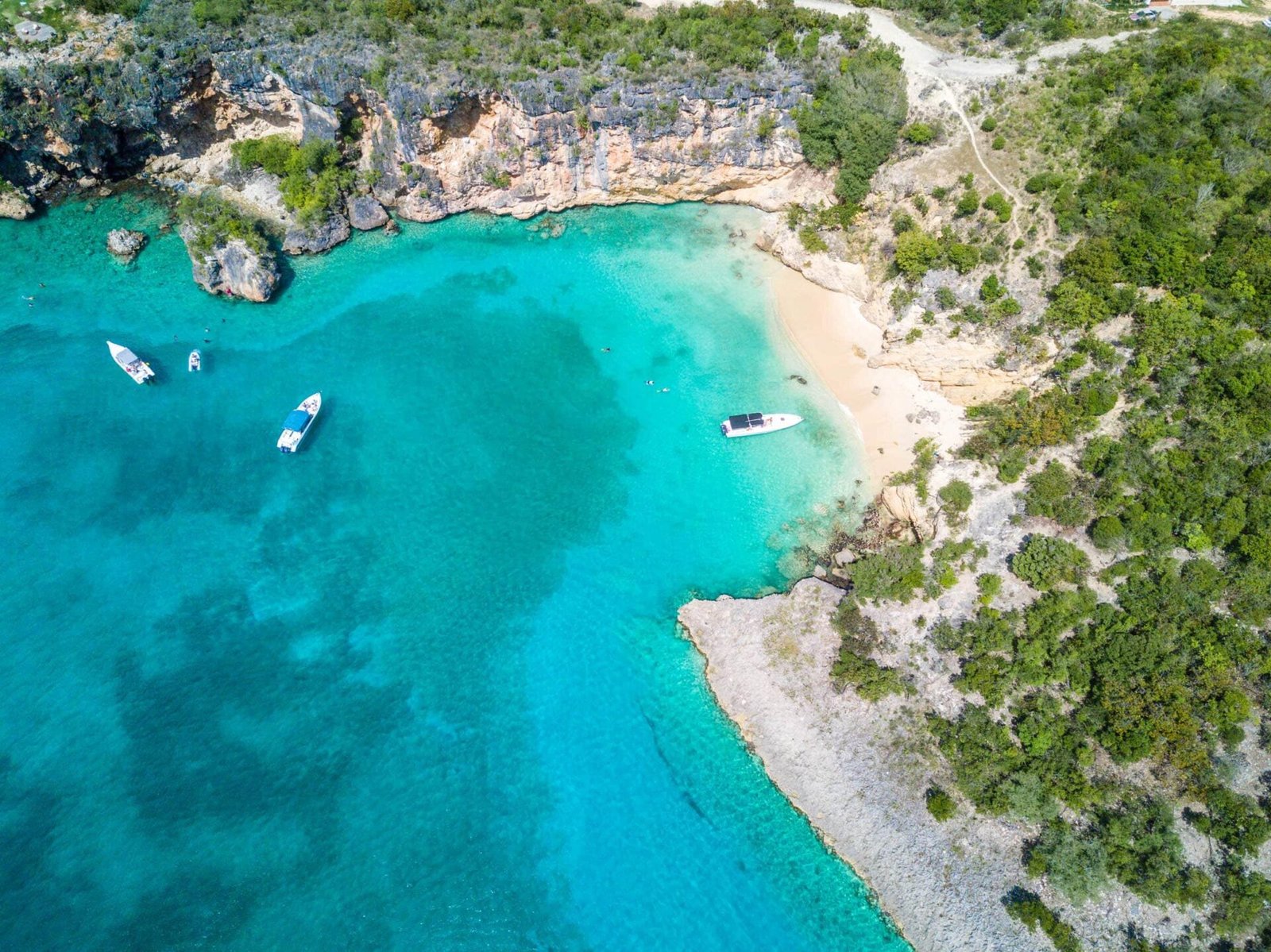
A Caribbean cruise gives you the chance to experience several islands and coastal destinations during one unforgettable holiday. Each port offers something different, from beautiful beaches and colorful historic towns to rainforest adventures, cultural attractions, local food, and exciting water activities.
However, cruise passengers usually have only a limited number of hours to explore each destination. Making the most of your shore day requires more than simply choosing the most popular attraction. You need to consider travel time, port schedules, transportation, weather, activity levels, and the time required to return to your ship.
This Caribbean cruise port guide explains how to plan a rewarding and stress-free shore day, whether you are visiting the Caribbean for the first time or returning to explore new islands.
1. Understand How Much Time You Really Have
The first step in planning your shore day is to understand the difference between the ship’s arrival time, the time you can leave the vessel, and the final all-aboard time.
Your ship may arrive in port early in the morning, but passengers may need to wait for clearance before going ashore. Similarly, the ship’s scheduled departure time is not necessarily the time you should return to the pier.
Always check:
- The scheduled arrival time
- The time passengers can disembark
- The all-aboard time
- Whether the ship is docking or using tenders
- Any local time-zone differences
- The estimated time needed to return to the ship
A good rule is to plan to be back near the port well before the official all-aboard deadline. Do not use every available minute for sightseeing.
Important: Cruise ships generally do not wait for passengers who are late returning from independently arranged activities. Allow extra time for traffic, queues, weather, and unexpected delays.
2. Research Your Port Before Arrival
Every Caribbean port has its own layout, attractions, transportation options, and travel challenges. Researching the destination before your cruise helps you avoid wasting valuable time.
Find out:
- Where your ship will dock
- Whether the terminal is close to the town center
- Which attractions are nearby
- How far the main beaches are from the port
- Whether taxis or organized tours are readily available
- Whether the destination is easy to explore on foot
- What local customs, entry requirements, or restrictions may apply
Some ports place passengers within walking distance of historic districts, shopping streets, and restaurants. Others require a taxi, boat, or organized transfer to reach the main attractions.
For example, cruise passengers visiting Willemstad in Curaçao may be able to explore colorful waterfront streets and historic areas close to the port. In other destinations, such as Tortola, passengers may need transportation to reach popular beaches and attractions farther from Road Town.
Understanding the port’s geography allows you to choose realistic activities.
3. Choose One Main Experience
One of the most common cruise-day mistakes is trying to do too much.
A shore day may look long on paper, but time can quickly disappear through disembarkation, transportation, meals, queues, and returning to the ship. Instead of attempting to visit every attraction, choose one main experience and build the rest of the day around it.
Your main experience could be:
- A beach day
- A snorkeling trip
- A historic town tour
- A rainforest adventure
- A waterfall visit
- A scenic island tour
- A food and culture experience
- A sailing or catamaran cruise
- A shopping and sightseeing walk
Once you choose your main activity, add only one or two nearby stops if time allows.
For example, a day in Grenada might focus on Grand Anse Beach, followed by a short visit to St. George’s. A day in St. Lucia could center on the Pitons and Soufrière, while a visit to Curaçao might focus on Willemstad and a nearby beach.
4. Decide Whether to Book an Organized Excursion
Organized shore excursions can make cruise days easier because transportation, timing, and activities are often coordinated in advance.
A cruise-line excursion may be especially useful when:
- The attraction is far from the port
- The route involves several stops
- Traffic may cause delays
- You are visiting a destination for the first time
- You want a guided cultural or historical experience
- You are concerned about returning to the ship on time
Independent tours can also be rewarding, particularly when booked with a reputable and experienced local operator. They may offer smaller groups, more flexibility, and experiences that are not available through the cruise line.
Before booking independently, check:
- The operator’s reputation
- Insurance and safety arrangements
- Pickup and drop-off details
- The distance from the port
- The expected return time
- The cancellation policy
- Whether the tour is suitable for your group
Choose the option that gives you the best balance of enjoyment, reliability, and peace of mind.
5. Plan Around the Port’s Location
The location of the cruise terminal can influence what you can realistically do during your shore day.
Ports with attractions nearby
Some destinations allow passengers to explore directly from the terminal. These are ideal for travelers who prefer a flexible and low-stress day.
Possible activities include:
- Walking through historic districts
- Visiting local markets
- Shopping
- Exploring waterfront areas
- Enjoying cafés and restaurants
- Visiting museums or nearby landmarks
Ports requiring transportation
Other destinations require a taxi, tour vehicle, boat, or shuttle to reach the main attractions.
In these ports, allow time for:
- Finding your transportation
- Traffic
- Loading and unloading passengers
- Parking
- Queues at attractions
- Returning to the terminal
A beach that appears close on a map may take much longer to reach during a busy cruise day.
6. Pick the Right Type of Shore Day
There is no single best way to spend a Caribbean port day. The ideal experience depends on your interests, energy level, and travel companions.
The relaxed beach day
A beach-focused day is ideal for travelers who want to swim, sunbathe, enjoy a drink, and avoid a busy schedule.
Popular beach experiences include:
- Grand Anse Beach in Grenada
- Reduit Beach in St. Lucia
- Eagle Beach in Aruba
- Carlisle Bay in Barbados
- Magens Bay in St. Thomas
- Orient Bay in St. Maarten
- Seven Mile Beach in Grand Cayman
Choose a beach that is reasonably close to the port and has suitable facilities.
The culture and history day
A cultural shore day may include:
- A historic town
- A local market
- A fort
- A museum
- A traditional neighborhood
- A food-tasting experience
- A guided walking tour
This type of excursion is particularly suitable for passengers visiting places such as St. George’s, Bridgetown, Willemstad, San Juan, or Old Road Town.
The nature and adventure day
Nature-focused excursions may include:
- Rainforest walks
- Waterfall visits
- Snorkeling
- Scuba diving
- Ziplining
- Hiking
- Wildlife encounters
- Scenic mountain drives
- Kayaking or paddleboarding
These activities can be memorable, but they often require more planning and attention to fitness, equipment, and weather conditions.
The scenic island tour
A scenic island tour is ideal for passengers who want to see several highlights without committing to one demanding activity.
A typical tour may include:
- Coastal viewpoints
- Historic landmarks
- Local villages
- Beaches
- Botanical gardens
- Markets
- Photo stops
- A local lunch
Choose a tour that does not include too many distant attractions. A shorter itinerary with enough time at each stop is usually more enjoyable than a rushed schedule.
7. Build a Realistic Shore-Day Schedule
A simple schedule can help you enjoy your excursion without constantly checking the clock.
For a port visit of approximately seven to nine hours, a practical structure may look like this:
First hour: Disembark and organize
- Leave the ship after clearance
- Confirm the meeting point
- Use the restroom
- Check that you have your essentials
- Meet your guide or arrange transportation
Next two to three hours: Main activity
Focus on your most important excursion, such as a beach visit, city tour, snorkeling trip, or rainforest adventure.
Midday: Lunch and a short break
Choose a restaurant or food stop that is close to your next activity or return route. Avoid long meals far from the port unless the excursion schedule allows it.
Afternoon: One nearby attraction
If time permits, add a second activity close to the port or along the return route.
Final hour: Return to the ship
Begin your journey back with a generous buffer. Allow time for traffic, security checks, port queues, and unexpected delays.
The exact schedule will depend on your ship and destination, but the principle remains the same: leave enough time to return comfortably.
8. Choose Transportation Carefully
Transportation can determine whether a shore day feels relaxed or stressful.
Common options include:
- Cruise-line shuttle buses
- Organized tour vehicles
- Authorized taxis
- Water taxis
- Public buses
- Rental cars
- Walking
- Ferries
- Local sightseeing buses
When using a taxi, confirm:
- The destination
- The total cost
- Whether the price is per person or per vehicle
- Whether the driver will wait
- The return pickup time
- The accepted payment method
If you are booking a round-trip taxi, agree on the return arrangement before leaving the port.
Public transportation may be affordable, but it can be less predictable when you have a strict return deadline. It may not be the best choice for distant attractions or complicated itineraries.
9. Consider the Weather and Sea Conditions
Caribbean weather can change quickly, especially during the wetter months or in mountainous areas.
Weather may affect:
- Snorkeling
- Scuba diving
- Sailing
- Beach visits
- Hiking
- Waterfall swimming
- Ziplining
- Ferry crossings
- Scenic viewpoints
Before leaving the ship, check the forecast and ask your excursion provider about current conditions.
If you have a water-based activity planned, carry a backup option in case the sea becomes rough. If you are visiting a rainforest, bring suitable footwear and light rain protection.
It is also important to remember that the weather at the coast may be very different from conditions in the mountains.
10. Pack a Small and Practical Shore Bag
You do not need to take everything from your cabin. A small day bag is usually enough for most excursions.
Useful items include:
- Cruise card or required identification
- Small amount of local currency
- Credit card
- Phone
- Portable charger
- Sunscreen
- Sunglasses
- Hat
- Reusable water bottle
- Light cover-up
- Swimwear
- Towel
- Comfortable walking shoes
- Water shoes
- Insect repellent
- Light rain jacket
- Any essential medication
Keep valuables to a minimum and avoid carrying unnecessary jewelry or large amounts of cash.
If you are swimming or snorkeling, use a waterproof pouch for your phone and other items that must stay dry.
11. Respect Local Culture and the Environment
A shore day is an opportunity to learn about a destination and support local communities.
Be respectful when visiting:
- Churches
- Historic sites
- Local neighborhoods
- Markets
- Cultural events
- Religious buildings
- Fishing villages
- Protected natural areas
Ask before photographing people, especially vendors, children, or local residents.
When visiting beaches, reefs, waterfalls, and forests:
- Do not leave litter
- Avoid touching coral
- Do not feed wildlife
- Follow marked trails
- Use reef-conscious sunscreen where appropriate
- Avoid removing shells, rocks, or natural materials
- Listen to local safety instructions
Responsible tourism helps protect the Caribbean’s natural beauty and supports the communities that welcome cruise visitors.
12. Know the Difference Between Docked and Tender Ports
Not every ship arrives directly at a pier.
At some destinations, passengers are transported from the ship to shore using smaller tender boats. Tendering can take additional time, particularly when many passengers are waiting to disembark or when sea conditions are difficult.
If your port uses tenders:
- Check whether priority tender tickets are required
- Allow extra time before your excursion begins
- Avoid booking activities with very tight departure times
- Confirm where your tour operator will meet you
- Allow additional time to return to the ship
Tender ports may require more careful planning than destinations where the ship docks directly beside the terminal.
13. Make Time for Local Food
Food is one of the best ways to experience the character of a Caribbean destination.
Rather than eating only at familiar international restaurants, consider trying a local dish or snack during your shore day.
Examples include:
- Jerk dishes in Jamaica
- Flying fish and fish cakes in Barbados
- Creole dishes in St. Lucia
- Fresh seafood in Grenada
- Keshi yena in Curaçao
- Local pastries in Antigua
- Conch dishes in the Bahamas
- Caribbean-style barbecue and street food
Choose a food stop that fits your schedule and has good hygiene practices. If you have allergies or dietary restrictions, communicate them clearly before ordering.
A short local food experience can become one of the most memorable parts of your port visit.
14. Leave Time for Shopping and Souvenirs
Many Caribbean ports offer local crafts, jewelry, clothing, spices, artwork, rum products, chocolate, and other souvenirs.
Popular shopping areas may be located:
- Inside or near the cruise terminal
- In historic town centers
- Along waterfront promenades
- In local markets
- Near major attractions
- At craft villages or cultural estates
Do not plan an excursion so tightly that you have no time to browse. If shopping is important to you, reserve part of the final portion of your shore day for stores near the port.
Remember that some purchases may be subject to customs rules when you return to your home country. Keep receipts for valuable items and check the relevant import requirements.
15. Choose Excursions Based on Your Travel Group
The best shore excursion for a couple may not be the best choice for a family or a multigenerational group.
For families with children
Look for:
- Short transfers
- Calm-water beaches
- Family-friendly attractions
- Restroom access
- Shade
- Flexible schedules
- Activities suitable for different ages
For older travelers
Consider:
- Accessible transportation
- Fewer stairs
- Shorter walking distances
- Comfortable seating
- Reliable rest stops
- Clear information about physical requirements
For couples
Good choices may include:
- Sunset sailing
- Scenic beaches
- Waterfront dining
- Chocolate or spice experiences
- Private island tours
- Romantic viewpoints
For active travelers
Consider:
- Snorkeling
- Hiking
- Ziplining
- Waterfalls
- Kayaking
- Scuba diving
- Off-road adventures
Always read the activity description carefully and ask questions if the physical requirements are unclear.
16. Keep an Emergency Plan
Even a well-planned shore day can experience unexpected problems. Prepare for delays and know what to do if something goes wrong.
Before leaving the ship:
- Save the ship’s name and contact details
- Note the port address
- Carry your cruise card
- Keep emergency contact information available
- Know the all-aboard time
- Confirm your return transportation
- Keep essential medication with you
- Have a backup payment method
If you experience a delay, contact the ship or cruise line as soon as possible and follow the instructions provided.
Travel insurance may also be worth considering, particularly for excursions involving expensive equipment, remote locations, or significant transportation costs.
17. Avoid These Common Shore-Day Mistakes
Trying to see the entire island
Most Caribbean islands offer more attractions than you can comfortably visit in one port day. Choose a manageable itinerary.
Booking an attraction too far away
A distant attraction may look appealing but can involve long transfers and traffic. Always calculate the complete journey.
Ignoring the return journey
The time needed to get back to the ship is just as important as the time spent sightseeing.
Forgetting local time
Your destination may operate in a different time zone from the ship. Confirm which time controls your return schedule.
Carrying too much
Heavy bags, unnecessary valuables, and excess clothing can make a shore day uncomfortable.
Failing to check activity requirements
Some excursions require a certain fitness level, minimum age, swimming ability, or special equipment.
Leaving without cash
Small vendors and local businesses may not accept cards or may experience connectivity problems.
Drinking too much
Enjoy local drinks responsibly, especially if you still need to walk, swim, travel, or return to the ship.
Sample Caribbean Shore-Day Plans
A relaxed beach day
- Disembark early
- Travel to a nearby beach
- Swim and relax
- Enjoy a local lunch
- Return to the port with plenty of time
- Shop or explore near the terminal
A culture and sightseeing day
- Explore the historic town center
- Visit a fort or museum
- Browse a local market
- Enjoy a traditional meal
- Take photographs along the waterfront
- Return to the ship early
An adventure day
- Meet your guide at the port
- Travel to a rainforest, reef, or mountain attraction
- Complete the main activity
- Have a quick lunch
- Begin the return journey well before all-aboard time
A balanced island tour
- Visit one major landmark
- Stop at a scenic viewpoint
- Enjoy a local food experience
- Spend a short time at a beach
- Return to the port using the planned route
A successful Caribbean shore day is not about seeing everything. It is about choosing the right experience, planning realistically, and leaving enough time to enjoy the destination without stress.
Research your port, select one main activity, understand transportation options, check the weather, respect local communities, and always build in a generous return-to-ship buffer.
Whether you want to relax on a beautiful beach, explore a historic town, discover local food, visit a rainforest, or enjoy a snorkeling adventure, the Caribbean offers countless ways to make your cruise memorable.
At Across Caribbean Excursions, we help cruise passengers make the most of every port through scenic island tours, cultural experiences, beach excursions, adventure activities, and carefully planned shore-day experiences. Let us help you explore the Caribbean with confidence and create unforgettable memories between sailings.
