
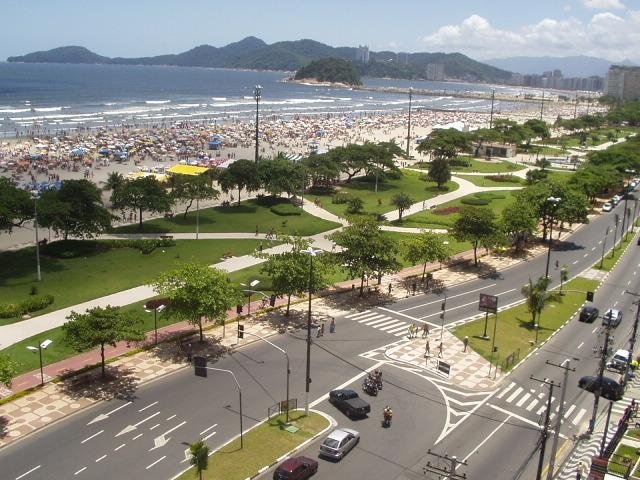
Aruba is famous for its white-sand beaches, turquoise waters, warm weather, and relaxed Caribbean atmosphere. However, this beautiful island offers much more than beach resorts and ocean views.
Beyond the popular coastal areas, Aruba features rugged national parks, desert-like landscapes, colourful towns, historic landmarks, natural rock formations, caves, and peaceful cultural attractions. Whether you are visiting for the first time, travelling with family, enjoying a romantic holiday, or exploring during a cruise stop, there are plenty of places worth discovering.
If you are planning a trip, these are some of the best places to visit in Aruba, including top attractions and natural wonders.
1. Eagle Beach
Eagle Beach is one of Aruba’s most celebrated coastal attractions and a must-visit for first-time travellers.
The beach is known for its wide stretch of soft white sand, clear water, and relatively peaceful atmosphere. Unlike some of the busier resort areas, Eagle Beach offers plenty of room for relaxing, walking, swimming, and enjoying the scenery.
Its famous fofoti trees, shaped by the island’s trade winds, are among the most photographed natural features in Aruba.
Eagle Beach is ideal for:
- Couples seeking a romantic setting
- Families looking for a spacious beach
- Long walks along the coast
- Swimming and sunbathing
- Sunset photography
Visit early in the morning for a quieter experience or later in the day to enjoy beautiful sunset views.
2. Palm Beach
Palm Beach is one of Aruba’s most popular visitor areas. It combines a beautiful beach with a wide selection of hotels, restaurants, shops, beach bars, and entertainment options.
The beach is particularly convenient for travellers who want to enjoy the sea while remaining close to dining and nightlife. Visitors can spend the day swimming or trying water sports before enjoying dinner or shopping nearby.
Popular activities in the Palm Beach area include:
- Swimming
- Paddleboarding
- Parasailing
- Jet skiing
- Snorkeling trips
- Shopping
- Beachfront dining
- Evening entertainment
Palm Beach is a good choice for visitors who prefer a lively atmosphere and easy access to facilities.
3. Arikok National Park
For many visitors, Arikok National Park is the most impressive natural attraction in Aruba.
The park covers a significant portion of the island and showcases Aruba’s rugged interior. Its landscape includes cacti, rocky hills, limestone cliffs, caves, dry riverbeds, dramatic coastlines, and unusual geological formations.
Arikok National Park is a great place to experience the island’s wild side. You can explore some areas on foot, while other locations are better reached through a guided four-wheel-drive excursion.
Highlights include:
- The Natural Pool
- Fontein Cave
- Quadirikiri Cave
- Seroe Jamanota
- Rugged coastal viewpoints
- Desert-like scenery
- Native plants and wildlife
A guided tour is often the most convenient option, especially if you want to visit remote locations or learn about Aruba’s geology, culture, and history.
4. Conchi Natural Pool
Located along Aruba’s rugged northeastern coast, Conchi Natural Pool is one of the island’s most distinctive natural wonders.
Also known as the Natural Pool, this attraction is surrounded by volcanic rock and receives waves from the open sea. The result is a dramatic natural setting where visitors can admire the coastline and, when conditions are safe, enjoy the water.
Reaching the Natural Pool can be an adventure in itself. The route includes rough terrain, and access is generally easier with a suitable four-wheel-drive vehicle or an organised excursion.
When visiting:
- Check sea conditions before entering the water
- Follow local safety instructions
- Wear suitable footwear
- Bring drinking water
- Avoid visiting during dangerous surf conditions
- Consider joining a guided tour
The Natural Pool is best combined with other attractions in Arikok National Park.
5. California Lighthouse
The California Lighthouse stands near the northern tip of Aruba and is one of the island’s most recognisable landmarks.
The lighthouse is located on elevated ground, offering attractive views of the surrounding coastline, beaches, and inland landscape. It is a popular place for photography, sightseeing, and enjoying the changing colours of the sky.
The surrounding area also provides access to scenic coastal roads and nearby attractions, including the island’s northern beaches and sand dunes.
The California Lighthouse is especially appealing to:
- Couples
- Photographers
- Families
- Visitors exploring northern Aruba
- Travellers looking for panoramic views
Late afternoon is often a pleasant time to visit because the temperatures may be more comfortable and the light is ideal for photographs.
6. The California Dunes
Near the California Lighthouse are Aruba’s scenic sand dunes, sometimes called the California Dunes.
These rolling sandy landscapes create a striking contrast with the island’s rocky terrain and bright blue sea. The area offers a unique combination of desert-like scenery, coastal views, and open space.
The dunes are excellent for:
- Photography
- Scenic walks
- Exploring Aruba’s unusual landscapes
- Watching the sunset
- Combining with a lighthouse visit
The sand can become hot during the middle of the day, so wear suitable footwear and carry water.
7. Oranjestad
Aruba’s capital, Oranjestad, is one of the best places to experience the island’s history, architecture, shopping, and urban culture.
The city is known for its colourful buildings, Dutch-Caribbean architectural influences, waterfront areas, cafés, museums, and shops. It is a pleasant place to explore on foot, especially if you enjoy discovering local details at a relaxed pace.
Things to see and do in Oranjestad include:
- Walking through the historic centre
- Exploring local shops and boutiques
- Visiting museums
- Enjoying cafés and restaurants
- Taking photographs of colourful buildings
- Strolling along the waterfront
- Discovering historic landmarks
Oranjestad is also a practical stop for cruise visitors because it is close to the main cruise port.
8. Fort Zoutman and Willem III Tower
History lovers should visit Fort Zoutman and the nearby Willem III Tower in Oranjestad.
The historic complex offers insight into Aruba’s colonial past and the development of the capital. It is one of the city’s most important heritage sites and can easily be included in a walking tour.
A visit here can be combined with:
- Exploring Oranjestad’s historic streets
- Visiting museums
- Shopping
- Enjoying local food
- Walking along the waterfront
This attraction is particularly worthwhile for visitors who want to understand more about Aruba’s history and cultural development.
9. San Nicolas
San Nicolas is located in southern Aruba and offers a different atmosphere from the island’s main resort areas.
The town is particularly famous for its colourful street art, large murals, creative spaces, and local character. Many of the murals reflect Aruba’s culture, people, history, and natural environment.
San Nicolas is a rewarding destination for travellers who enjoy:
- Photography
- Art and design
- Local culture
- Historic towns
- Independent exploration
- Discovering less tourist-focused areas
You can spend time walking around the town, photographing murals, visiting local businesses, and enjoying traditional food.
San Nicolas is also a convenient stop when exploring the southern part of Aruba, including Baby Beach.
10. Baby Beach
Baby Beach is one of Aruba’s best-known family-friendly coastal destinations.
Located in the southeastern part of the island, the beach is set beside a sheltered lagoon-like area with shallow water. Its calm appearance and gentle conditions in suitable areas make it popular with families and beginner swimmers.
Visitors can enjoy:
- Swimming
- Relaxing on the sand
- Beginner-friendly snorkeling
- Family beach time
- Scenic photography
- Refreshments near the beach
Always remain within designated swimming areas and follow local guidance, as water conditions can vary.
Baby Beach can be combined with a visit to San Nicolas, making it a convenient southern Aruba day trip.
11. Alto Vista Chapel
The Alto Vista Chapel is a small and peaceful landmark in northern Aruba.
The chapel is known for its bright appearance, quiet surroundings, and elevated location. It offers a calm contrast to the busy beach and resort areas.
The drive to the chapel also allows visitors to see more of Aruba’s countryside and experience the island’s distinctive landscape.
The chapel is a good stop for:
- Cultural sightseeing
- Photography
- Couples
- Visitors interested in local history
- Travellers seeking a peaceful setting
Visitors should dress respectfully and maintain a quiet atmosphere around the site.
12. Ayo Rock Formations
The Ayo Rock Formations are among Aruba’s most fascinating geological attractions.
These large rock formations rise dramatically from the surrounding landscape and create a striking setting for walking and photography. The area also has cultural importance, with evidence that the rocks were significant to Aruba’s early inhabitants.
Visitors can follow paths around the formations and enjoy views of the unusual boulders and surrounding countryside.
Ayo Rock Formations are ideal for:
- Nature lovers
- Photographers
- Families
- Geological sightseeing
- Travellers interested in Aruba’s Indigenous history
The attraction can be combined with other inland stops, including Casibari Rock Formations.
13. Casibari Rock Formations
Located in central Aruba, the Casibari Rock Formations consist of enormous boulders arranged across the island’s dry landscape.
Paths and steps lead visitors through the formations and toward elevated viewpoints. From the higher areas, you can enjoy broad views of Aruba’s countryside and surrounding communities.
Casibari is a good place to visit if you want a short outdoor adventure without committing to a full-day hike.
Highlights include:
- Large natural boulders
- Scenic viewpoints
- Walking paths
- Photography opportunities
- Views of Aruba’s interior
- A nearby café area for refreshments
Wear comfortable shoes, especially if you plan to climb to the higher viewpoints.
14. Fontein Cave
Fontein Cave is located within Arikok National Park and is known for its historic rock markings and unusual interior formations.
The cave provides an opportunity to learn more about Aruba’s early inhabitants and the cultural history of the island. Its walls and ceilings contain markings associated with Indigenous communities, along with later inscriptions.
Fontein Cave is especially interesting for travellers who enjoy combining nature with history.
When visiting, follow all instructions designed to protect the cave and its markings. Avoid touching or damaging the surfaces, and remain within permitted areas.
15. Quadirikiri Cave
Quadirikiri Cave, also located in Arikok National Park, is known for its large chambers and openings that allow natural light to enter.
The sunlight creates an atmospheric setting that makes the cave especially attractive for photography. The cave’s interior also offers a different perspective on Aruba’s geological landscape.
A visit is ideal for:
- Adventure seekers
- Nature lovers
- Photographers
- Families with older children
- Visitors exploring Arikok National Park
Cave surfaces can be uneven, so wear secure footwear and follow guidance from park staff or tour leaders.
16. Hooiberg
Hooiberg is a distinctive volcanic formation located near the centre of Aruba.
The name means “haystack” in Dutch, reflecting the hill’s unusual shape. A staircase leads toward the top, where visitors can enjoy panoramic views of the island.
The climb can be demanding in the heat, but it is manageable for many reasonably active travellers who take their time.
Before climbing:
- Carry plenty of water
- Wear comfortable shoes
- Avoid the hottest part of the day
- Take breaks when needed
- Check the weather and visibility
Hooiberg is a good option for visitors who want a short but rewarding outdoor activity.
17. Seroe Jamanota
Seroe Jamanota is the highest point in Aruba and is located within Arikok National Park.
The elevated area provides broad views across parts of the island and offers a chance to experience Aruba’s rugged interior from above. It is especially appealing to travellers who enjoy hiking, nature, and scenic viewpoints.
The terrain can be uneven, and conditions may be hot and windy. Visitors should plan carefully and consider local guidance when choosing a route.
For a more comfortable experience, a guided nature excursion can provide transport, route advice, and information about the surrounding landscape.
18. Mangel Halto
Mangel Halto is a scenic coastal area in southeastern Aruba, known for its mangroves, shallow waters, and snorkeling opportunities.
The area has a different character from the broad resort beaches. Mangrove channels lead toward the sea, while nearby reef areas may offer opportunities to see colourful fish and underwater marine life.
Mangel Halto is a good choice for:
- Snorkeling
- Kayaking
- Nature photography
- Quiet coastal exploration
- Travellers looking for a less commercial atmosphere
Water conditions can vary, so snorkel only in suitable areas and pay attention to currents.
19. Bubali Bird Sanctuary
Bubali Bird Sanctuary is a useful stop for visitors interested in Aruba’s wildlife and birdlife.
The wetland area attracts a variety of birds and offers a break from the island’s dry, desert-like landscapes. It is particularly appealing to birdwatchers, photographers, and nature lovers.
Bring binoculars if you have them, and visit during a quieter part of the day when birds may be easier to observe.
The sanctuary can be combined with a visit to nearby beaches and resort areas.
20. Andicuri Beach and the Northern Coast
Andicuri Beach is located along Aruba’s rugged northeastern coast and offers a more dramatic landscape than the island’s calmer western beaches.
The area is known for rocky surroundings, open sea views, and strong coastal scenery. Depending on the conditions, the beach may be better suited to sightseeing and photography than swimming.
The northern coast is ideal for travellers who want to see Aruba’s wild side, including:
- Rocky shorelines
- Natural formations
- Coastal viewpoints
- Strong waves and sea spray
- Unspoiled scenery
- Photography opportunities
Always be cautious around the water, especially where waves and currents are strong.
Best Places to Visit in Aruba for Different Travellers
For couples
- Eagle Beach
- California Lighthouse
- Palm Beach
- Alto Vista Chapel
- Sunset viewpoints
- Oranjestad’s waterfront
For families
- Baby Beach
- Eagle Beach
- Palm Beach
- Casibari Rock Formations
- Bubali Bird Sanctuary
- Selected guided nature tours
For adventure seekers
- Arikok National Park
- Conchi Natural Pool
- Quadirikiri Cave
- Fontein Cave
- Hooiberg
- Seroe Jamanota
- Mangel Halto
For culture and history lovers
- Oranjestad
- Fort Zoutman
- Willem III Tower
- Alto Vista Chapel
- San Nicolas
- Fontein Cave
- Ayo Rock Formations
For photographers
- Eagle Beach
- California Lighthouse
- California Dunes
- San Nicolas murals
- Ayo Rock Formations
- Casibari Rock Formations
- Aruba’s northeastern coastline
Practical Tips for Exploring Aruba
Plan by region
Aruba may be relatively compact, but attractions are spread across different parts of the island. Group nearby places together to reduce driving time.
For example:
- Northern Aruba: California Lighthouse, California Dunes, Alto Vista Chapel, Arashi Beach
- Central Aruba: Hooiberg, Casibari Rock Formations, Ayo Rock Formations
- Eastern Aruba: Arikok National Park, Fontein Cave, Quadirikiri Cave, Natural Pool
- Southern Aruba: San Nicolas, Baby Beach, Mangel Halto
- Western Aruba: Eagle Beach, Palm Beach, resort beaches, sunset viewpoints
Choose suitable transport
A rental car is useful for independent exploration. However, some areas of Arikok National Park and the Natural Pool are better reached with a four-wheel-drive vehicle or guided excursion.
Carry water and sun protection
Aruba’s climate can be hot and windy. Bring water, sunscreen, a hat, comfortable shoes, and light clothing when exploring outdoor attractions.
Respect natural and cultural sites
Stay on marked paths, avoid touching cave markings, do not disturb wildlife, and follow instructions at protected areas and historic landmarks.
Check conditions before swimming
Not every beautiful coastal location is suitable for swimming. Check local conditions, respect warning signs, and follow advice from guides or beach authorities.
Final Thoughts
The best places to visit in Aruba combine beautiful beaches, rugged natural landscapes, colourful towns, cultural landmarks, and memorable outdoor experiences.
From the peaceful sands of Eagle Beach and the lively atmosphere of Palm Beach to the dramatic scenery of Arikok National Park, Aruba offers something for every kind of traveller. Natural pools, caves, rock formations, historic sites, and artistic towns make the island much more diverse than it may first appear.
At Across Caribbean Excursions, we can help you discover Aruba through carefully planned sightseeing tours, beach excursions, nature adventures, cultural experiences, and island exploration. Let us help you experience the highlights and hidden treasures of Aruba on a memorable Caribbean journey.
