
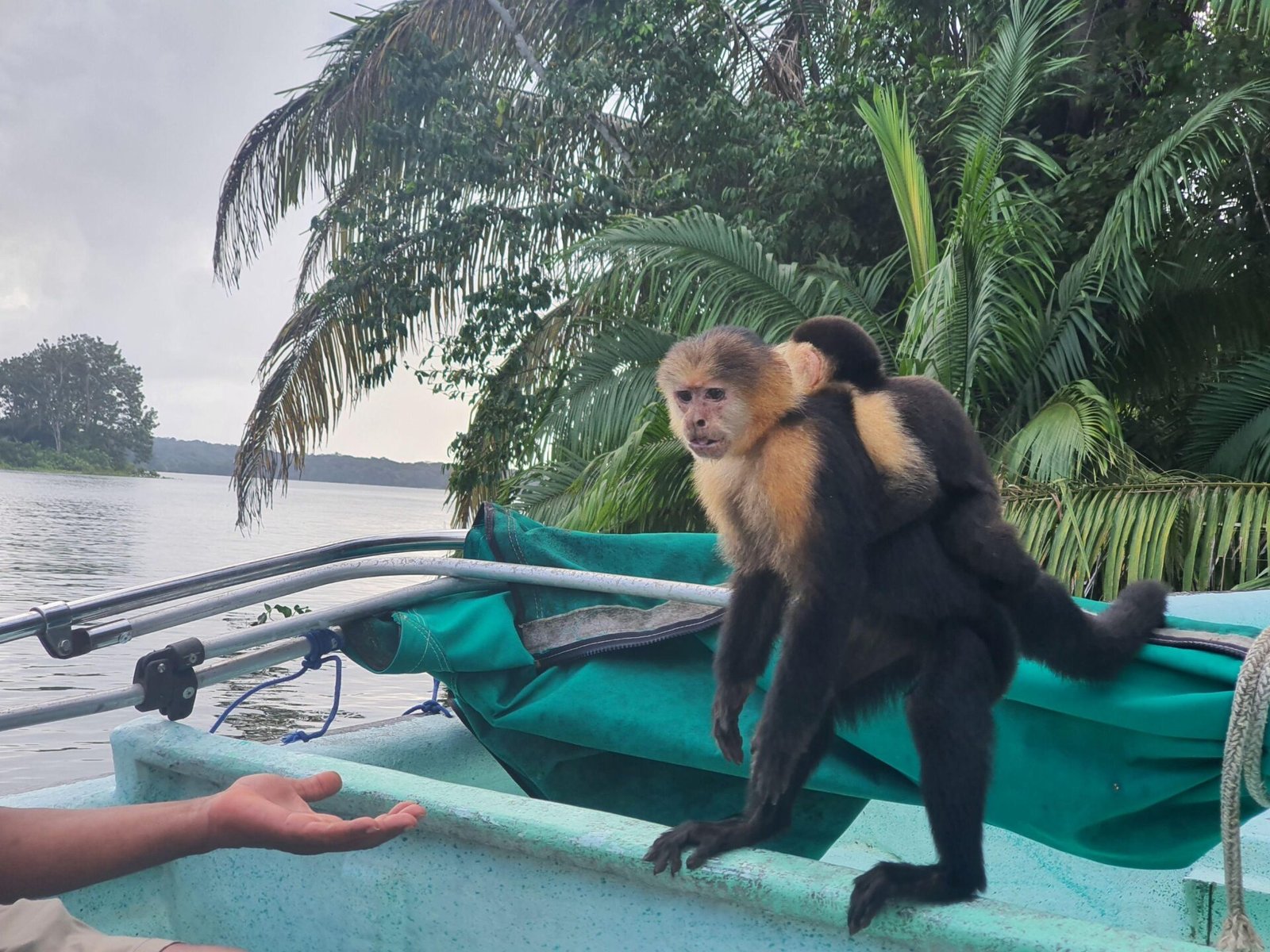
The Caribbean is famous for its beaches, but some of its most rewarding experiences take place far beyond the shoreline.
Across the region, travelers can explore tropical rainforests, volcanic mountains, mangrove wetlands, coral reefs, botanical gardens, wildlife sanctuaries and protected natural areas. Eco tours offer a way to experience these environments while learning about the plants, animals and conservation efforts that help protect them.
For travelers interested in nature, conservation and wildlife, an eco tour can provide a deeper connection to the destination. Instead of simply visiting a scenic attraction, you can learn how ecosystems function, meet local guides and communities, discover endangered species and understand why protecting Caribbean landscapes matters.
Sustainable tourism also gives travelers an opportunity to support local businesses and conservation initiatives. Saint Lucia, for example, encourages visitors to support local communities, respect protected natural areas, reduce waste and make environmentally conscious choices while exploring the island.
Whether you’re planning a Caribbean cruise, an island vacation or a multi-island adventure, these are some of the best eco-friendly experiences to consider.
1. Explore Caribbean Rainforests
Rainforest excursions are among the best ways to experience the Caribbean’s natural side.
Many islands have mountainous interiors covered in tropical vegetation, where hiking trails lead through forests, past streams and waterfalls and toward spectacular viewpoints.
Saint Lucia offers rainforest hikes, mountain trails and nature experiences, while Dominica and Jamaica are also well known for lush forest environments.
A guided rainforest walk can introduce you to:
- Native trees and plants
- Tropical birds
- Butterflies
- Medicinal plants
- Waterfalls
- Streams
- Wildlife habitats
- Conservation projects
Saint Lucia’s official tourism information describes its rainforests, volcanic landscapes and protected natural areas as important parts of the island’s natural heritage.
Why choose a guided eco hike?
A knowledgeable local guide can identify species you might otherwise walk past and explain how the forest supports communities, wildlife and watersheds.
2. Go Birdwatching
The Caribbean is an excellent region for birdwatchers, particularly travelers interested in endemic species.
Because many islands have isolated ecosystems, some birds are found only on particular islands.
Jamaica is an especially interesting destination for birdwatching. Its Blue and John Crow Mountains National Park contains numerous endemic species, including the Jamaican Tody and Red-billed Streamertail, Jamaica’s national bird.
Saint Lucia also offers birding opportunities, including the Millet Bird Sanctuary Trail, where visitors can look for several endemic species, including the Saint Lucia Parrot and Saint Lucia Black Finch.
What to bring
- Binoculars
- Comfortable walking shoes
- Lightweight clothing
- Insect repellent
- Water
- Camera
- Field guide or birding app
Early morning is often a particularly rewarding time for birdwatching.
3. Visit a Wildlife Sanctuary
Wildlife sanctuaries can provide opportunities to see Caribbean species while learning about conservation and habitat protection.
Depending on the destination, sanctuaries may focus on:
- Birds
- Turtles
- Reptiles
- Native mammals
- Marine animals
- Endangered species
In Jamaica, Rocklands Bird Sanctuary near Montego Bay provides a guided birding experience where visitors can observe and learn about local birds, including hummingbirds. Jamaica’s tourism authority also highlights the sanctuary as an important wildlife experience.
When choosing a wildlife attraction, look for facilities that prioritize animal welfare, conservation and education rather than entertainment based on direct handling of wild animals.
4. Explore Coral Reefs Responsibly
Caribbean coral reefs are among the region’s most valuable marine ecosystems.
Snorkeling and diving provide opportunities to see:
- Coral colonies
- Tropical fish
- Sea turtles
- Sponges
- Sea fans
- Rays
- Other marine organisms
But coral reefs are fragile.
A responsible eco tour should teach visitors how to minimize their impact rather than simply taking them into the water.
Saint Lucia has coral restoration initiatives in which marine organizations and divers work with coral nurseries and reef rehabilitation projects. Visitors can learn about these efforts through snorkeling and diving experiences.
How to protect coral reefs
- Never stand on coral
- Don’t touch coral
- Don’t chase marine animals
- Maintain appropriate distance from wildlife
- Follow your guide’s instructions
- Avoid taking marine organisms as souvenirs
- Use reef-conscious sunscreen practices
- Don’t leave waste behind
Your goal should be to observe the reef without changing its environment.
5. Participate in Coral Restoration
For travelers who want their eco experience to involve conservation directly, coral restoration can be particularly meaningful.
Some Caribbean destinations have established coral nurseries where fragments are grown before being transplanted onto damaged reefs.
Saint Lucia’s sustainability program highlights coral nurseries near Anse Chastanet and partnerships supporting reef rehabilitation and marine conservation.
Depending on the program, visitors may be able to:
- Learn about coral biology
- Visit a coral nursery
- Snorkel or dive near restoration sites
- Learn about reef threats
- Participate in supervised conservation activities
Availability varies, so check whether a hands-on component is offered before booking.
6. Discover Mangrove Ecosystems
Mangroves are among the Caribbean’s most important coastal ecosystems.
They provide habitat for marine life, birds and other species while helping protect coastlines.
A guided kayak or boat excursion through mangroves can reveal an environment that is easy to overlook from a beach.
Look for tours that explain:
- Mangrove ecology
- Fish nurseries
- Coastal protection
- Bird habitats
- Water quality
- Local conservation
Because mangrove environments can be sensitive, follow designated routes and avoid disturbing vegetation or wildlife.
7. Take a Sustainable Kayaking Tour
Kayaking is naturally suited to eco tourism because it allows you to move quietly through coastal environments without the noise associated with motorized boats.
Depending on the destination, you can paddle through:
- Mangroves
- Lagoons
- Sheltered bays
- Coastal wetlands
- Sea caves
- Quiet coves
A good eco kayaking tour combines the activity with interpretation from a local guide.
Instead of simply paddling from one point to another, you learn about the ecosystem surrounding you.
8. Explore Caribbean Wetlands
Wetlands may not have the same visual appeal as beaches, but they are incredibly important ecosystems.
They provide habitat for birds, fish, amphibians and other wildlife while helping regulate water and support coastal ecosystems.
Guided wetland excursions can include:
- Birdwatching
- Canoeing
- Kayaking
- Photography
- Nature walks
- Wildlife observation
Travelers interested in conservation should look for tours led by local naturalists or organizations involved in habitat protection.
9. Visit Botanical Gardens
Botanical gardens offer a relatively accessible way to learn about Caribbean plant life.
You can discover:
- Tropical flowers
- Native trees
- Medicinal plants
- Fruit trees
- Palms
- Orchids
- Herbs
- Endemic species
Barbados promotes botanical gardens and nature trails as part of its nature and wildlife experiences.
Saint Lucia also offers botanical gardens where visitors can explore tropical flora alongside other nature attractions.
A botanical garden can be an excellent option for cruise passengers who want a nature experience without committing to a strenuous hike.
10. Explore Caribbean National Parks
National parks protect some of the region’s most important landscapes.
Depending on the island, protected areas may include:
- Rainforests
- Mountains
- Coral reefs
- Wetlands
- Coastal ecosystems
- Caves
- Volcanic landscapes
Jamaica’s Blue and John Crow Mountains National Park is a UNESCO World Heritage Site and supports a wide range of endemic plants and animals.
Saint Lucia also has protected natural areas and national landmarks where nature and heritage come together.
Visiting a protected area with a qualified guide can help you understand why the landscape has been conserved.
11. Discover Caribbean Waterfalls
Waterfalls are among the most visually spectacular natural attractions in the Caribbean.
But an eco waterfall excursion can offer more than swimming and photography.
A naturalist guide can explain:
- Forest ecology
- River systems
- Native plants
- Wildlife
- Watersheds
- The importance of protecting freshwater resources
Jamaica, Saint Lucia, Dominica and Grenada all offer opportunities to experience waterfalls and surrounding natural environments.
Choose designated trails and avoid leaving waste behind.
12. Explore Volcanic Landscapes
The Caribbean’s volcanic islands provide some fascinating geological experiences.
Saint Lucia’s Sulphur Springs area, for example, allows visitors to explore geothermal features and volcanic landscapes. The island’s tourism authority describes the area as a major nature and geological attraction.
A volcanic eco tour can explain:
- Geothermal activity
- Volcanic rocks
- Mineral springs
- Soil formation
- Tropical vegetation
- How volcanic landscapes influence agriculture
For travelers interested in geology as well as wildlife, these tours offer a different perspective on the Caribbean.
13. Visit a Sea Turtle Conservation Area
Sea turtles are among the Caribbean’s most recognizable marine animals, but their nesting beaches and marine habitats require protection.
Responsible turtle experiences can include:
- Guided observation
- Conservation education
- Nesting beach visits
- Hatchling protection programs
- Marine habitat education
Saint Lucia’s sustainability initiatives include sea turtle conservation programs focused on nesting areas, hatchlings and marine habitats.
When observing turtles, never touch, chase or interfere with them.
If visiting a nesting beach, follow all lighting and distance requirements provided by conservation organizations.
14. Explore Caribbean Wildlife by Boat
Boat-based wildlife tours can provide access to ecosystems that are difficult to reach on foot.
Depending on the destination, you might observe:
- Sea turtles
- Dolphins
- Whales
- Seabirds
- Rays
- Crocodiles
- Fish
- Mangrove wildlife
Jamaica’s Black River Safari, for example, takes visitors through mangrove-lined river habitat where Jamaican crocodiles can be observed in their natural environment.
The most responsible wildlife tours maintain appropriate distances and allow animals to behave naturally.
15. Take a Mangrove and Marine Ecology Tour
Some eco tours combine several ecosystems in one experience.
For example:
Mangrove → lagoon → coral reef → coastal forest
A guide can explain how these environments are connected.
Mangroves can serve as nurseries for marine life, coastal vegetation can protect shorelines, and coral reefs provide habitat for numerous marine organisms.
Understanding these connections makes a beach or snorkeling experience much more meaningful.
16. Explore Caribbean Caves
Caves are another important part of the region’s natural heritage.
Jamaica’s Cockpit Country, for example, is a karst limestone landscape containing caves and distinctive forest ecosystems. The country’s tourism authority highlights guided exploration of the area’s caves, forests and endemic species.
A responsible cave tour should minimize disturbance to:
- Bats
- Cave formations
- Underground water systems
- Geological features
- Other cave wildlife
Stay on established routes and follow the guide’s instructions.
17. Visit Organic Farms and Agro-Tourism Projects
Eco tourism isn’t limited to wild landscapes.
Agricultural experiences can show travelers how Caribbean communities use sustainable farming practices and traditional crops.
A farm tour might include:
- Tropical fruit
- Herbs
- Cocoa
- Coffee
- Vegetables
- Medicinal plants
- Sustainable agriculture
- Local food preparation
Saint Lucia promotes community and agriculture-based experiences, including visits where travelers can learn about tropical herbs, farming and local food.
These experiences can directly support local farmers while helping visitors understand the connection between food, land and culture.
18. Experience a Cocoa Farm
Cocoa farming provides an opportunity to connect agriculture, conservation and food.
A cocoa experience can take you through:
Cacao tree → harvesting → fermentation → drying → roasting → chocolate
Saint Lucia’s sustainability program highlights cocoa farming and hands-on chocolate experiences, including opportunities to learn how cacao is grown and harvested.
For travelers, this can be one of the most enjoyable forms of agricultural tourism because the experience ends with something you can taste.
19. Go on a Forest Conservation Walk
A conservation-focused forest walk differs from an ordinary nature hike because the emphasis is on understanding the challenges facing the ecosystem.
A knowledgeable guide might discuss:
- Deforestation
- Habitat loss
- Invasive species
- Endemic wildlife
- Reforestation
- Watershed protection
- Climate impacts
- Community conservation
This type of tour is particularly valuable for travelers who want to understand not only what they are seeing but also what is being done to protect it.
20. Visit Community-Led Eco Tourism Projects
Some of the most meaningful eco tours are operated by local communities.
Community-based tourism can connect visitors with:
- Local guides
- Farmers
- Fishers
- Artisans
- Conservation groups
- Small businesses
- Village initiatives
Supporting locally owned experiences helps keep tourism spending within the destination.
Saint Lucia explicitly encourages visitors to support local guides, farmers, fishers, artisans, markets and independently owned businesses as part of responsible travel.
Best Caribbean Destinations for Eco Tours
Different islands offer different types of nature and wildlife experiences.
Jamaica
Jamaica offers a broad range of eco experiences, including:
- Birdwatching
- Rainforest hiking
- Cave exploration
- Wildlife observation
- River safaris
- Botanical gardens
- Endemic species encounters
The Blue and John Crow Mountains, Cockpit Country, Rocklands Bird Sanctuary and Black River provide examples of the island’s diverse ecosystems.
Best for: Wildlife, birdwatching, forests and biodiversity.
Saint Lucia
Saint Lucia combines rainforest, volcanic landscapes, marine ecosystems and protected natural areas.
Eco experiences include:
- Birdwatching
- Rainforest hikes
- Coral restoration
- Sea turtle conservation
- Botanical gardens
- Sustainable farms
- Cocoa experiences
- National parks
The island’s official tourism program increasingly incorporates conservation and community participation into its sustainability initiatives.
Best for: Rainforest, marine conservation and sustainable community experiences.
Barbados
Barbados offers:
- Wildlife reserves
- Botanical gardens
- Marine parks
- Nature trails
- Turtle experiences
- Caves
- Hiking
The official tourism authority highlights the Barbados Wildlife Reserve, Harrison’s Cave, botanical gardens, marine parks and nature trails among its nature and wildlife experiences.
Best for: Wildlife, gardens and accessible nature experiences.
Dominica
Dominica’s mountainous terrain and lush environment make it particularly attractive for travelers interested in:
- Rainforests
- Waterfalls
- Hiking
- Rivers
- Hot springs
- Wildlife
- Nature trails
Best for: Wilderness and rainforest adventures.
Grenada
Grenada combines tropical forests, waterfalls, gardens, coastal ecosystems and agricultural landscapes.
Best for: Nature, gardens, waterfalls and sustainable agriculture.
Curaçao
Curaçao offers a different eco tourism experience, with dry landscapes, coastal ecosystems, marine life and protected natural areas.
Best for: Marine environments and arid island landscapes.
Aruba
Aruba’s natural environment includes dry forests, cacti, rugged coastlines and marine habitats.
Eco experiences can include:
- National park excursions
- Hiking
- Snorkeling
- Wildlife observation
- Coastal exploration
Best for: Desert-like landscapes and coastal nature.
Best Eco Tours for Caribbean Cruise Passengers
Eco tours can work particularly well for cruise travelers, but the excursion needs to fit your port schedule.
For a short port visit
Consider:
- Botanical garden
- Wildlife sanctuary
- Short nature trail
- Nearby marine park
- Guided birdwatching
- Coastal eco tour
For a longer port day
Consider:
- Rainforest hike
- Waterfall excursion
- Wildlife safari
- Mangrove kayaking
- Farm visit
- Coral restoration experience
For a full-day nature adventure
Consider:
- National park exploration
- Multi-ecosystem tour
- Rainforest and waterfall combination
- Wildlife and conservation experience
- Island-wide eco tour
Always check the distance between the port and the activity. An excursion that spends several hours traveling may leave little time to actually experience the natural environment.
How to Choose a Responsible Eco Tour
Not every tour marketed as “eco” is necessarily equally sustainable.
Before booking, ask a few questions.
Does the tour support local communities?
Look for locally owned operators, guides, farms and businesses.
Does the tour educate visitors?
A strong eco tour should help you understand the environment rather than simply transport you to a scenic location.
Does it minimize environmental impact?
Consider group size, transportation methods, waste management and interaction with wildlife.
Does it contribute to conservation?
Some experiences directly support protected areas, wildlife programs, coral restoration or habitat conservation.
Does it respect wildlife?
Avoid tours that encourage touching, feeding, chasing or excessively close interaction with wild animals.
Is the operator transparent?
Responsible operators should be able to explain how they protect the environment and support local communities.
Eco-Friendly Tips for Caribbean Travelers
You can reduce your environmental impact even when you’re not on a formal eco tour.
Carry a reusable water bottle
Reducing single-use plastic helps limit waste.
Stay on marked trails
Trails protect fragile vegetation and help reduce erosion.
Don’t touch coral
Even brief contact can damage delicate reef organisms.
Don’t feed wildlife
Wild animals should remain dependent on their natural food sources.
Avoid taking natural souvenirs
Leave shells, coral, rocks, plants and other natural materials where they belong.
Support local businesses
Choose local guides, restaurants, markets, farmers and artisans where possible.
Reduce waste
Carry reusable bags and dispose of waste properly.
Respect protected areas
Follow signs, guides and local conservation rules.
Saint Lucia’s responsible travel guidance specifically encourages visitors to stay on marked trails, avoid littering, reduce single-use plastics, protect coral and support local businesses.
Eco Tours for Different Types of Travelers
For wildlife lovers
Consider:
- Birdwatching
- Wildlife sanctuaries
- Mangrove tours
- Turtle conservation
- River safaris
For active travelers
Consider:
- Rainforest hikes
- Waterfall walks
- Mountain trails
- Kayaking
- Caving
For families
Consider:
- Botanical gardens
- Wildlife reserves
- Easy nature trails
- Farm visits
- Chocolate and cocoa experiences
For couples
Consider:
- Private nature walks
- Wildlife cruises
- Botanical gardens
- Sustainable farms
- Sunset eco cruises
For cruise passengers
Consider:
- Port-accessible nature trails
- Short wildlife tours
- Botanical gardens
- Marine excursions
- Local conservation experiences
Why Eco Tours Are Worth Adding to a Caribbean Trip
A beach can show you one side of the Caribbean.
An eco tour can show you the forests that capture rainfall, the mangroves that shelter young marine life, the reefs that support ocean ecosystems, the farms that produce local food and the wildlife that exists nowhere else.
It also changes the way you see the destination.
Instead of simply asking, “What is there to see?”, you begin asking:
How did this ecosystem develop?
Which species live here?
What threatens this environment?
How are local communities protecting it?
How can visitors help rather than harm?
That deeper understanding can make a Caribbean vacation much more memorable.
The best eco tours in the Caribbean combine nature, education, wildlife and responsible travel.
You can hike through Jamaica’s forests, search for endemic birds, explore caves, observe crocodiles along a river, discover coral restoration projects in Saint Lucia, visit botanical gardens in Barbados, kayak through mangroves or learn about sustainable agriculture on a local farm.
The Caribbean’s natural beauty is one of its greatest assets, but many of these ecosystems are also fragile. Choosing responsible operators, respecting wildlife and supporting local communities can help ensure that these places remain available for future generations.
For cruise passengers, even a few hours ashore can provide a meaningful nature experience. For longer island stays, you can go deeper with multi-day conservation, wildlife and outdoor adventures.
Discover the Caribbean Beyond the Beach with Across Caribbean Excursions
The Caribbean has rainforests, reefs, mountains, wetlands, wildlife and vibrant communities waiting to be explored.
Across Caribbean Excursions helps travelers discover nature-focused experiences that go beyond traditional sightseeing. Explore the islands, learn about their ecosystems, support local communities and make your next Caribbean journey more responsible and memorable.
