
The Caribbean is much more than beautiful beaches and turquoise water. Across its islands, centuries of Indigenous heritage, African traditions, European influences, migration, music, food, religion and local creativity have created some of the world’s most distinctive cultures.
For travelers who want to understand the places they visit, cultural experiences offer an opportunity to go beyond the typical sightseeing itinerary. You can walk through historic towns, visit colonial forts, explore museums, listen to local music, taste traditional dishes, meet artisans, visit community markets and experience festivals that bring entire communities together.
The cultural character of each island is different. Jamaica’s global influence through reggae and its rich African and European heritage creates one experience, while Barbados reflects its British, African and West Indian roots. Saint Lucia’s Creole identity can be experienced through language, food, music and festivals.
Whether you’re visiting on a Caribbean cruise, planning an island vacation or exploring several destinations, here are some of the best cultural experiences to add to your itinerary.
1. Explore Historic Caribbean Towns
One of the easiest ways to experience Caribbean culture is simply to walk through an old town.
Historic streets reveal architecture, churches, marketplaces, government buildings, waterfronts and homes that tell stories about the island’s past.
Some destinations worth exploring include:
- Old San Juan, Puerto Rico
- Bridgetown, Barbados
- Willemstad, Curaçao
- Castries, Saint Lucia
- St. George’s, Grenada
- St. John’s, Antigua
- Kingston, Jamaica
- Basseterre, St. Kitts
A walking tour can provide context that you might miss when exploring independently.
What to look for
Pay attention to:
- Historic buildings
- Local architecture
- Churches and religious sites
- Public squares
- Markets
- Statues and monuments
- Waterfront areas
- Street art
- Traditional businesses
For cruise passengers, historic city tours can also be practical because many are located relatively close to the port.
2. Visit Caribbean Museums
Museums provide an opportunity to understand the people and events that shaped each island.
Depending on the destination, museums may focus on Indigenous heritage, colonial history, slavery and emancipation, music, art, maritime history, agriculture or contemporary culture.
Jamaica’s tourism authority, for example, highlights museums and cultural institutions alongside historic sites, music, art and dance as important ways to experience the country’s heritage.
A museum visit can be especially valuable when you have limited time because it can introduce you to several periods of history in a relatively short visit.
3. Discover Indigenous Caribbean Heritage
Long before European colonization, Caribbean islands were home to Indigenous peoples with their own languages, communities, beliefs, technologies and traditions.
Learning about Indigenous heritage adds an important dimension to understanding Caribbean history.
Depending on the destination, visitors may encounter:
- Indigenous archaeological sites
- Museums
- Traditional crafts
- Historical interpretation centers
- Cultural demonstrations
- Indigenous communities and heritage projects
Saint Lucia’s history, for example, includes the Arawak and later Kalinago peoples, whose traditions and stories remain part of the island’s historical identity.
When visiting Indigenous heritage sites or communities, choose experiences that are respectful and community-led where possible.
4. Explore Colonial Forts and Historic Sites
Fortifications are found throughout the Caribbean and provide a physical connection to the region’s colonial and military history.
Examples include:
- Brimstone Hill Fortress in St. Kitts
- Nelson’s Dockyard in Antigua
- Fort Charles in Jamaica
- El Morro in Puerto Rico
- Fort Charlotte in the Bahamas
- Historic forts around Bridgetown and other Caribbean capitals
These sites can help visitors understand the strategic importance of Caribbean islands during periods of European colonial rivalry.
Barbados, for example, has a historic heritage shaped by English, African and West Indian influences, with Historic Bridgetown and its Garrison recognized as a UNESCO World Heritage Site.
5. Take a Caribbean Food Tour
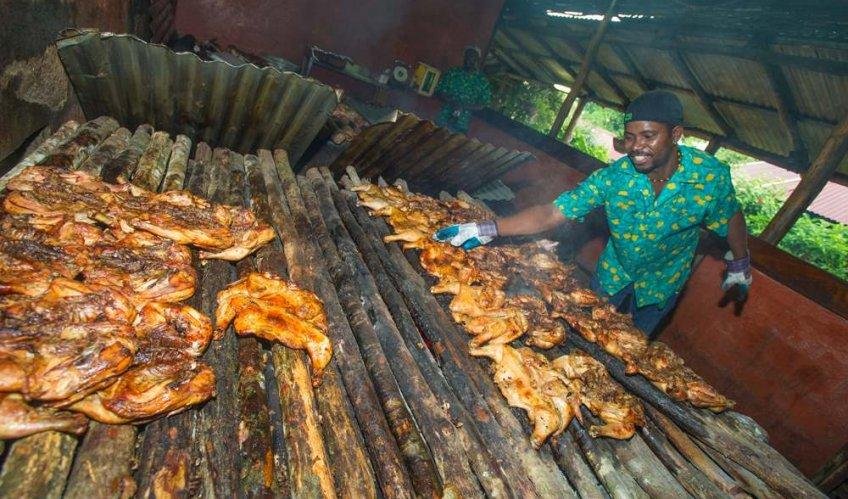
Food is one of the most enjoyable ways to experience culture.
Caribbean cuisine reflects centuries of interaction between Indigenous peoples, Africans, Europeans, Indians, Chinese and other communities that contributed to the region’s history.
A food tour might introduce you to:
- Local street food
- Traditional soups and stews
- Fresh seafood
- Tropical fruits
- Spices
- Local breads
- Rum-based products
- Cocoa and chocolate
- Traditional desserts
Saint Lucia’s tourism authority specifically recommends local dishes such as green fig and saltfish, Creole-style fish and local juices as part of a cultural itinerary.
Jamaica also emphasizes food as an important way to connect with the island’s history and cultural influences.
Instead of simply eating at an international resort restaurant, consider visiting a local market, family-run restaurant or guided food experience.
6. Experience Caribbean Music and Dance
Music is at the heart of Caribbean culture.
Different islands have developed distinctive musical traditions, while Caribbean sounds have influenced music around the world.
Depending on your destination, you may encounter:
- Reggae
- Calypso
- Soca
- Dancehall
- Steelpan music
- Zouk
- Kompa
- Traditional drumming
- Folk music
Jamaica’s tourism authority describes music as a central part of the country’s cultural identity and highlights reggae, dance, live performances and musical heritage as key cultural experiences.
A live performance can be more memorable than simply listening to Caribbean music on a playlist because you experience the rhythms within their local cultural setting.
7. Visit a Local Caribbean Market
Markets are excellent places to experience everyday island life.
Rather than being designed specifically for tourists, many local markets remain important places where residents buy food, produce, spices, crafts and household goods.
A market visit can give you an opportunity to see:
- Fresh tropical produce
- Local spices
- Fish and seafood
- Handmade crafts
- Clothing
- Artwork
- Local snacks
- Traditional ingredients
Saint Lucia’s tourism authority recommends visiting Castries Market as part of a cultural itinerary, particularly in the morning when the market is most active.
Market etiquette
Ask before photographing people or their products, be respectful when negotiating prices and avoid treating local communities simply as attractions.
8. Experience a Caribbean Festival
Festivals provide some of the most vibrant cultural experiences in the region.
Carnival celebrations, music festivals, heritage events and food festivals bring together music, costumes, dance, food and community traditions.
Depending on the island and time of year, travelers may encounter:
- Carnival
- Crop Over
- Junkanoo
- Independence celebrations
- Creole Heritage celebrations
- Music festivals
- Food festivals
- Cultural fairs
Saint Lucia, for example, celebrates Carnival, its Jazz & Arts Festival and Jounen Kwéyòl, a celebration of Creole heritage.
Barbados’ cultural calendar includes Crop Over and other events that showcase music, traditions and local creativity.
If your trip coincides with a major festival, it can transform your experience of the destination.
9. Learn About Caribbean Carnival
Carnival deserves special attention because it represents a powerful combination of music, dance, costumes, creativity and community participation.
Carnival traditions vary significantly between islands, so there is no single Caribbean Carnival experience.
You may encounter:
- Elaborate costumes
- Steelpan
- Soca music
- Street parades
- Dance
- Food
- Community celebrations
Rather than viewing Carnival simply as entertainment, take time to learn about its historical and cultural development.
10. Visit Historic Plantations and Great Houses
Historic plantations and estates can provide insight into Caribbean agricultural history and the development of industries such as sugar.
However, these sites are also connected to the history of slavery, forced labor, colonialism and resistance.
A responsible heritage tour should present these histories honestly rather than focusing exclusively on architecture or the lifestyles of plantation owners.
Jamaica’s tourism information, for example, highlights historic properties such as Rose Hall Great House while also documenting the island’s wider history of Indigenous peoples, European colonization, sugar estates and African heritage.
When visiting a historic estate, look for tours that provide a broader historical context.
11. Learn About African Caribbean Heritage
African heritage is fundamental to the culture of much of the Caribbean.
The legacy can be seen in:
- Music
- Dance
- Language
- Religion
- Food
- Family traditions
- Storytelling
- Art
- Festivals
Understanding this heritage also means learning about the history of the transatlantic slave trade, emancipation and resistance.
Many modern Caribbean traditions developed from the resilience and creativity of communities that preserved and transformed cultural practices under extremely difficult historical circumstances.
This is one reason cultural tourism can be much more meaningful when it goes beyond colonial architecture and includes the voices and traditions of local communities.
12. Discover Caribbean Art and Craft
Art offers another window into island culture.
Look for:
- Local paintings
- Sculpture
- Pottery
- Wood carving
- Textiles
- Jewelry
- Basketry
- Photography
- Contemporary installations
Jamaica’s tourism authority highlights the National Gallery of Jamaica and local art walks as opportunities to explore both traditional and contemporary Jamaican artistic expression.
Buying directly from local artists or established craft cooperatives can also provide a more meaningful souvenir than purchasing mass-produced products.
13. Experience Traditional Caribbean Cooking
A cooking class lets you move beyond simply tasting Caribbean food.
Under the guidance of a local cook or chef, you might learn how to prepare dishes using traditional ingredients and techniques.
Possible experiences include:
- Caribbean curries
- Fish dishes
- Rice and peas
- Plantain dishes
- Traditional soups
- Creole cuisine
- Cassava-based foods
- Local desserts
- Chocolate and cocoa products
Saint Lucia specifically promotes hands-on experiences such as Creole cooking classes and cocoa or chocolate experiences as part of its cultural tourism offering.
For travelers who love food, this can be one of the most memorable cultural activities to take home.
14. Visit a Rum Distillery
Rum is closely connected to Caribbean history and agriculture.
Several Caribbean destinations have long-established rum-making traditions, and distillery tours can explain how sugarcane is transformed into rum.
A distillery experience may include:
- History of rum production
- Sugarcane agriculture
- Distillation
- Aging
- Local brands
- Tasting experiences
Barbados is particularly associated with rum heritage, and its tourism authority presents rum as an important part of the island’s cultural identity.
Travelers who do not drink can still participate in the historical and production aspects of these tours where available.
15. Explore Caribbean Religious Heritage
Religion has played a major role in Caribbean history and community life.
Visitors may encounter churches, cathedrals, synagogues, temples and other places of worship reflecting different migration and settlement patterns.
Jamaica, for example, has a diverse religious landscape shaped by several cultural influences.
Historic religious buildings can also be important architectural landmarks.
When visiting an active place of worship, remember that it is first and foremost a community space. Dress appropriately and follow local rules regarding photography and behavior.
16. Experience Local Village Life
Some of the most rewarding cultural experiences happen away from major tourist attractions.
A guided village visit can introduce travelers to:
- Fishing traditions
- Agriculture
- Local crafts
- Family businesses
- Traditional food
- Community celebrations
- Everyday island life
Saint Lucia’s tourism authority recommends experiences in coastal communities such as Anse La Raye as part of a cultural itinerary, including local food and community atmosphere.
The best community experiences should benefit local residents and avoid turning everyday life into a staged spectacle.
17. Discover Caribbean Language and Creole Culture
Language can reveal a great deal about Caribbean history.
English, French, Spanish and Dutch are official or widely used languages in different parts of the region, while many islands also have Creole languages and dialects.
Saint Lucia’s cultural identity, for example, includes English and Kwéyòl, reflecting the island’s complex history and cultural influences.
Jamaica’s official language is English, while Jamaican Patois is widely spoken and forms an important part of everyday cultural expression.
Learning a few local expressions can make interactions more enjoyable and show respect for the destination.
18. Visit Heritage Sites in Barbados
Barbados is particularly interesting for travelers who want to combine architecture, history and culture.
Historic Bridgetown and the Garrison form a UNESCO World Heritage Site, while museums, historic properties, walking tours and heritage attractions provide additional ways to explore the island’s past.
A cultural day in Barbados could include:
Morning: Historic Bridgetown walking tour
Midday: Local lunch
Afternoon: Museum or historic property
Evening: Local music or cultural event
This provides a more complete understanding of the island than a simple sightseeing drive.
19. Discover Jamaican Culture Through Music and History
Jamaica is one of the Caribbean’s most influential cultural destinations.
Visitors can explore:
- Reggae heritage
- Bob Marley-related sites
- Music museums
- Art galleries
- Historic Kingston
- Port Royal
- Local food
- Jamaican Patois
- Traditional and contemporary art
Jamaica’s tourism authority specifically highlights reggae, museums, art, Port Royal, historic sites, food, dance and local language as ways visitors can engage with Jamaican culture.
For travelers interested in music, Kingston can offer a particularly rich cultural experience.
20. Experience Saint Lucia’s Creole Heritage
Saint Lucia offers a strong example of how history, language, food and community traditions come together.
A cultural itinerary could include:
- Castries Market
- Historic Castries
- Local Creole food
- Anse La Raye
- Cocoa experiences
- Traditional music
- Jounen Kwéyòl celebrations
- Local crafts
Saint Lucia’s tourism authority specifically promotes markets, local cuisine, fishing villages, cooking classes, cocoa experiences and music as ways to connect with everyday island culture.
Best Caribbean Destinations for Cultural Experiences
Different islands offer different cultural experiences, so your choice can depend on the aspects of Caribbean heritage that interest you most.
Jamaica
Explore: Reggae, music, history, food, art, Port Royal and Jamaican language.
Best for: Music and contemporary cultural influence.
Barbados
Explore: Historic Bridgetown, the Garrison, rum heritage, food, festivals, architecture and local traditions.
Best for: History, heritage and culinary culture.
Saint Lucia
Explore: Creole culture, markets, local food, villages, festivals, crafts and cocoa.
Best for: Local traditions and community experiences.
Puerto Rico
Explore: Old San Juan, Spanish colonial architecture, forts, music, food and contemporary Caribbean culture.
Best for: Historic cities and architecture.
Curaçao
Explore: Willemstad, colorful architecture, local food, museums and the island’s multicultural heritage.
Best for: Architecture and cultural diversity.
Antigua & Barbuda
Explore: Nelson’s Dockyard, historic sites, local villages, food and sailing heritage.
Best for: Maritime and colonial history.
Grenada
Explore: Spice traditions, local markets, food, historic St. George’s and community culture.
Best for: Food, spices and island traditions.
St. Kitts
Explore: Brimstone Hill, historic plantations, local villages, railway heritage and traditional food.
Best for: History and scenic heritage.
Cultural Experiences for Caribbean Cruise Passengers
If you’re visiting on a cruise, you don’t need a full-day cultural tour to experience local heritage.
A short port-day itinerary could be:
Historic town → local market → traditional lunch → museum
Another option could be:
Heritage site → local craft market → cultural performance
For longer port calls:
Historic sightseeing → village visit → cooking experience → local music
The key is to choose experiences close enough to the port to avoid spending most of your day in transportation.
How to Choose a Cultural Shore Excursion
Choose depth over quantity
You don’t need to visit five museums in one day.
One meaningful historic site combined with a local meal and interaction with residents may provide a much richer experience.
Look for local guides
A knowledgeable local guide can provide context about history, traditions and everyday life that you won’t necessarily find in a guidebook.
Include food
Food is often one of the easiest ways to connect history and culture.
Visit markets
Markets can provide a glimpse into everyday life that major tourist attractions may not offer.
Consider the day of the week
Some cultural experiences depend heavily on timing.
Saint Lucia’s tourism authority, for example, notes that Fridays can be particularly useful for experiencing events such as local fish fries and the Gros Islet street celebration.
Respect local customs
Dress appropriately at religious and heritage sites, ask permission before photographing people and follow community guidelines.
How to Have a More Authentic Caribbean Cultural Experience
You don’t necessarily need an expensive excursion to experience local culture.
Try some simple approaches:
- Eat at locally owned restaurants
- Visit a public market
- Buy directly from local artisans
- Learn a few local expressions
- Attend a community event
- Take public cultural tours where appropriate
- Talk respectfully with residents
- Visit museums and heritage centers
- Learn the history behind major attractions
- Choose community-based experiences
Most importantly, remember that Caribbean culture is living culture. It isn’t confined to museums or historic buildings.
It can be found in music playing in a neighborhood, food being prepared in a family kitchen, conversations in a local market, festivals in the streets and traditions passed from one generation to the next.
The best cultural experiences in the Caribbean allow travelers to see beyond beaches and resorts and understand the people, histories and traditions that make each island different.
Walk through historic towns, explore colonial forts, learn about Indigenous heritage, taste local cuisine, listen to Caribbean music, visit markets, meet artisans, explore museums and experience festivals whenever your travel dates allow.
Jamaica offers powerful connections to reggae, food, art and history. Barbados combines African, British and West Indian heritage with historic sites and culinary traditions. Saint Lucia offers a rich Creole culture expressed through language, food, music, festivals and community life. Across the region, every island adds another chapter to the wider Caribbean story.
For cruise travelers, even a few hours ashore can provide a meaningful cultural experience if you choose your activities carefully.
Discover Caribbean Culture with Across Caribbean Excursions
Your Caribbean journey can be about much more than beaches.
Across Caribbean Excursions helps travelers discover the history, heritage, food, music, traditions and local experiences that make each destination unique.
Explore your next Caribbean destination, choose experiences that connect you with local culture and make your trip more meaningful from the moment you step ashore.
