
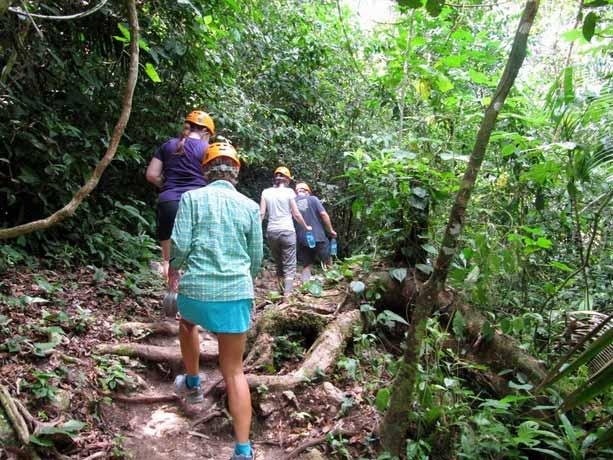
The Caribbean is much more than beautiful beaches and crystal-clear water. Across its rainforests, mountains, wetlands, mangroves, coral reefs and surrounding seas lives an extraordinary variety of birds, reptiles, mammals, marine animals and other tropical species.
A Caribbean wildlife tour can take you deep into a rainforest to search for endemic birds, along a mangrove-lined river to spot crocodiles, or offshore to look for whales, dolphins, sea turtles and other marine life.
Some islands are especially rich in endemic species, while others are known for particular wildlife encounters. Jamaica, for example, has a remarkable variety of endemic birds and reptiles, while Dominica combines rainforest biodiversity with important marine habitats.
Whether you’re a serious birdwatcher, a family traveling with children, a photographer or simply someone who enjoys nature, the Caribbean offers plenty of opportunities to see animals in their natural environments.
Here are some of the best Caribbean destinations for wildlife tours and the animals you may encounter.
1. Dominica – Rainforests, Birds & Marine Wildlife
Dominica is one of the Caribbean’s strongest destinations for nature-focused travel.
Known as the Nature Island of the Caribbean, Dominica combines mountainous rainforest, rivers, waterfalls, volcanic landscapes and rich marine ecosystems. Its official tourism resources highlight attractions including Syndicate Nature Trail, Morne Trois Pitons National Park, Freshwater Lake and Trafalgar Falls.
Birdwatching in Dominica
One of the island’s most famous birds is the Sisserou parrot, Dominica’s national bird.
The Syndicate Nature Trail is an important location for birdwatchers and nature enthusiasts hoping to explore the island’s forest environment.
You may also encounter:
- Jaco or red-necked parrots
- Hummingbirds
- Tropical forest birds
- Endemic species
- Migratory birds
A guided birdwatching excursion can make a significant difference because local guides know where particular species are most likely to be found.
Marine wildlife
Dominica’s wildlife experience extends into the Caribbean Sea.
The island is known for marine biodiversity and whale-watching opportunities. Recent conservation initiatives have also strengthened protection of Dominica’s sperm whale population and marine environment.
Best for
- Rainforest wildlife
- Birdwatching
- Whale watching
- Nature photography
- Eco-tourism
- Hiking and wildlife combinations
2. Jamaica – Endemic Birds, Crocodiles, Turtles & More
Jamaica is an outstanding destination for wildlife enthusiasts because of its combination of mountains, forests, wetlands, rivers and coastal ecosystems.
The Jamaica Tourist Board notes that the island has around 329 bird species and a particularly high level of endemic biodiversity.
Blue and John Crow Mountains
The Blue and John Crow Mountains National Park is one of the country’s most important wildlife areas.
The mountainous forest provides habitat for numerous birds and other species.
Birdwatchers can look for:
- Jamaican Tody
- Red-billed Streamertail, commonly called the Doctor Bird
- Jamaican Woodpecker
- Jamaican Mango
- Other endemic and migratory birds
The Jamaican Tody and Doctor Bird are among the species highlighted by Jamaica’s official tourism resources.
Rocklands Bird Sanctuary
Near Montego Bay, Rocklands Bird Sanctuary offers a more accessible birdwatching experience.
Visitors can observe hummingbirds and other native species while learning about Jamaica’s birdlife and conservation.
Black River Safari
For a completely different wildlife experience, head to Jamaica’s south coast.
A boat tour along the Black River provides opportunities to observe American crocodiles in their natural wetland habitat. Jamaica’s tourism authority also highlights the area’s West Indian manatees and rich freshwater ecosystem.
Jamaican Iguana
The critically endangered Jamaican iguana is another fascinating species associated with the island’s conservation efforts.
Guided wildlife experiences can provide information about the species and the work being done to protect its habitat.
Best for
- Birdwatching
- Endemic species
- Crocodile tours
- Reptile enthusiasts
- Rainforest wildlife
- Family nature experiences
3. Puerto Rico – Rainforest Birds, Marine Life & Coastal Wildlife
Puerto Rico offers an impressive variety of ecosystems within a relatively compact destination.
Travelers can explore rainforest, dry forest, mangroves, wetlands, coastal habitats and offshore marine environments.
Puerto Rico’s tourism authorities emphasize the island’s diverse natural attractions and opportunities to explore areas beyond San Juan.
El Yunque National Forest
El Yunque is the island’s most famous rainforest environment.
Wildlife tours and guided hikes can provide opportunities to observe:
- Puerto Rican parrots
- Coquí frogs
- Hummingbirds
- Forest birds
- Lizards
- Butterflies
- Other tropical species
The forest is particularly appealing to travelers who want wildlife combined with waterfalls, hiking and spectacular tropical scenery.
Coastal and marine wildlife
Puerto Rico’s extensive coastline also provides opportunities for:
- Sea turtle observation
- Dolphin encounters
- Birdwatching
- Mangrove kayaking
- Snorkeling
- Marine-life excursions
The island’s different regions offer substantially different landscapes, so exploring beyond San Juan can reveal a much wider range of wildlife experiences.
Best for
- Rainforest wildlife
- Birds
- Frogs
- Marine life
- Families
- Nature photography
4. The Bahamas – Sea Turtles, Dolphins, Sharks & Birds
The Bahamas is particularly appealing to travelers interested in marine wildlife.
Its extensive network of islands, cays, shallow banks and marine habitats provides numerous opportunities for wildlife encounters.
Depending on where you travel, wildlife excursions may involve:
- Sea turtles
- Dolphins
- Stingrays
- Nurse sharks
- Tropical reef fish
- Seabirds
- Starfish
Marine wildlife tours
Boat excursions can take visitors away from Nassau or resort areas to reefs, sandbars and smaller cays where marine animals are easier to observe.
Snorkeling tours are another excellent way to encounter tropical fish and coral ecosystems.
Birdwatching
The Bahamas also has important wetland and coastal habitats that support numerous bird species.
For birdwatchers, exploring quieter islands and protected natural areas can provide a more rewarding experience than staying around the busiest tourist areas.
Best for
- Marine wildlife
- Snorkeling
- Dolphins
- Sea turtles
- Stingrays
- Families
5. Barbados – Sea Turtles, Birds & Coastal Wildlife
Barbados combines accessible coastal wildlife with opportunities to explore the island’s natural interior.
One of the most popular marine experiences is sea turtle watching.
Depending on the location and conditions, visitors may encounter green and hawksbill turtles while snorkeling or taking boat excursions.
Turtle experiences
Guided boat trips can take visitors into sheltered waters where turtles are regularly encountered.
The key is to observe rather than chase or touch them.
Coastal birds
Barbados also offers opportunities for birdwatching around wetlands, gardens, coastal areas and natural habitats.
A wildlife-focused itinerary can combine:
- Birdwatching
- Turtle encounters
- Snorkeling
- Wetland exploration
- Botanical gardens
- Coastal walks
Best for
- Families
- Sea turtle enthusiasts
- Beginner wildlife watchers
- Marine-life tours
- Combining wildlife with beaches
6. Saint Lucia – Tropical Birds, Marine Life & Rainforest Animals
Saint Lucia’s combination of rainforest, mountains and coastline creates a diverse environment for wildlife.
The island’s forested interior supports numerous tropical bird species, while its surrounding waters provide opportunities for marine-life excursions.
Rainforest wildlife
A guided rainforest hike can introduce visitors to:
- Tropical birds
- Hummingbirds
- Lizards
- Butterflies
- Frogs
- Native plants
Experienced local guides can help visitors identify species that would otherwise be easy to miss.
Marine wildlife
Boat excursions along the coast can also provide opportunities to see:
- Dolphins
- Whales
- Sea turtles
- Flying fish
- Tropical seabirds
Wildlife encounters are never guaranteed, however, because animals move naturally through their environments.
Best for
- Rainforest walks
- Birdwatching
- Families
- Couples
- Combined land-and-sea wildlife experiences
7. Grenada – Tropical Forests, Birds & Marine Life
Grenada is another excellent destination for combining wildlife with hiking and nature exploration.
The island’s mountainous interior contains tropical forests, while its surrounding waters support coral reefs and marine ecosystems.
Grand Etang National Park
The Grand Etang area provides opportunities for forest walks and wildlife observation.
Look for:
- Tropical birds
- Butterflies
- Lizards
- Forest insects
- Native plants
A local guide can make the experience more interesting by explaining how different species interact with the forest ecosystem.
Marine wildlife
Grenada’s marine environment offers opportunities for snorkeling and boat excursions where visitors can encounter tropical reef fish, sea turtles and other marine organisms.
Best for
- Rainforest walks
- Birdwatching
- Snorkeling
- Nature photography
- Eco-tourism
8. Trinidad – Rainforest Wildlife & Birdwatching
Trinidad is one of the Caribbean’s most interesting destinations for serious wildlife enthusiasts.
Its relatively large size and diverse habitats support an impressive range of tropical species.
Asa Wright Nature Centre
The Asa Wright Nature Centre is particularly well known for birdwatching.
The forested Northern Range provides habitat for hummingbirds, tanagers, trogons and numerous other species.
For serious birdwatchers, a guided excursion with an experienced naturalist can be particularly rewarding.
Caroni Swamp
The Caroni Swamp provides a completely different environment.
Boat tours through the mangroves can offer opportunities to observe wetland birds and other wildlife.
The area is particularly associated with the scarlet ibis, Trinidad and Tobago’s national bird.
Best for
- Serious birdwatchers
- Rainforest wildlife
- Wetland tours
- Photography
- Nature enthusiasts
9. St. Vincent & the Grenadines – Parrots, Turtles & Marine Life
St. Vincent combines mountainous rainforest with extensive coastal and marine environments.
One of its most distinctive wildlife species is the St. Vincent parrot, an endemic bird found in the island’s forested interior.
Wildlife-focused hikes can provide opportunities to learn about the bird and its protected habitat.
Marine wildlife
The Grenadines also provide excellent opportunities for:
- Sea turtles
- Rays
- Tropical fish
- Coral reefs
- Seabirds
Sailing and snorkeling excursions can combine wildlife watching with exploration of smaller islands and beaches.
Best for
- Birdwatching
- Endemic species
- Sailing
- Snorkeling
- Nature photography
10. The Cayman Islands – Marine Wildlife & Underwater Encounters
The Cayman Islands are especially attractive to travelers interested in marine wildlife.
The surrounding Caribbean waters provide habitat for numerous reef species, while specialized excursions offer opportunities to observe animals in shallow coastal environments.
Stingrays
One of the region’s best-known wildlife experiences is Stingray City in Grand Cayman.
Visitors can enter shallow water and observe southern stingrays under controlled tourism conditions.
Reef wildlife
Snorkeling and diving excursions can reveal:
- Sea turtles
- Rays
- Parrotfish
- Groupers
- Angelfish
- Barracuda
- Coral reef organisms
For travelers who prefer marine wildlife to rainforest animals, the Cayman Islands can be an excellent choice.
11. Aruba – Desert Wildlife, Birds & Marine Life
Aruba has a noticeably drier landscape than many of the wetter Caribbean islands.
Its cactus-covered terrain, rocky coastline and protected natural areas create a different type of wildlife experience.
Arikok National Park
A guided excursion through Arikok National Park can reveal:
- Lizards
- Tropical birds
- Cacti
- Native vegetation
- Coastal wildlife
The island’s dry environment makes Aruba particularly interesting for travelers who want to experience a Caribbean ecosystem beyond rainforest.
Marine wildlife
Snorkeling and boat tours can add another dimension, with opportunities to see:
- Sea turtles
- Tropical fish
- Rays
- Coral
- Seabirds
Best for
- Families
- Desert-like landscapes
- Coastal wildlife
- Snorkeling
- Photography
12. Curaçao – Reefs, Sea Turtles & Dry-Island Wildlife
Curaçao combines a dry tropical landscape with a productive marine environment.
The island’s coastal waters provide opportunities for snorkeling and diving, while the interior supports reptiles, birds and other wildlife adapted to the relatively dry climate.
Marine life
Snorkeling excursions can reveal:
- Sea turtles
- Parrotfish
- Angelfish
- Rays
- Moray eels
- Reef fish
- Corals and sponges
Land wildlife
Travelers exploring the island’s natural areas may encounter:
- Lizards
- Iguanas
- Tropical birds
- Cacti
- Native plants
Curaçao works particularly well for travelers who want to combine wildlife with beaches, culture and sightseeing.
13. Antigua & Barbuda – Birds, Wetlands & Marine Life
Antigua and Barbuda offer a mixture of coastal habitats, wetlands, mangroves and marine ecosystems.
Barbuda’s wildlife
Barbuda is particularly interesting for birdwatchers because of its important seabird colonies.
The island’s natural environments provide habitat for frigatebirds and other coastal species.
Marine experiences
Around Antigua and Barbuda, boat and snorkeling excursions can provide opportunities to encounter:
- Sea turtles
- Rays
- Tropical fish
- Coral
- Seabirds
A wildlife-focused excursion can easily be combined with sailing, kayaking or snorkeling.
14. St. Kitts & Nevis – Monkeys, Birds & Tropical Forests
St. Kitts and Nevis provide a mixture of mountainous forest, agricultural landscapes and coastal environments.
One of the more distinctive animals visitors may encounter is the green vervet monkey, particularly in forested and rural areas.
Guided island tours can combine wildlife observation with:
- Rainforest walks
- Scenic viewpoints
- Historic sites
- Botanical gardens
- Coastal excursions
Nevis Peak and the island’s forested interior provide particularly interesting habitats for nature lovers.
Best Caribbean Destinations for Birdwatching
If birds are your primary interest, consider destinations with extensive forests, wetlands and endemic species.
Jamaica
Jamaica is particularly strong for endemic birds. Its tourism authority identifies the Blue and John Crow Mountains as an important birding area and highlights species such as the Jamaican Tody and Doctor Bird.
Dominica
Dominica’s rainforest environment supports distinctive endemic parrots and other forest birds.
Trinidad
The Northern Range and wetland environments provide opportunities for observing a wide variety of tropical birds.
Puerto Rico
Rainforest, coastal and wetland environments provide diverse birdwatching opportunities.
Antigua & Barbuda
Coastal and wetland habitats make the islands particularly interesting for seabirds and migratory species.
Best Caribbean Destinations for Marine Wildlife
For travelers more interested in animals beneath the waves, consider:
- The Bahamas
- Grand Cayman
- Barbados
- Dominica
- Saint Lucia
- Curaçao
- Aruba
- Antigua & Barbuda
- St. Vincent & the Grenadines
Depending on the destination, excursions can focus on turtles, rays, dolphins, whales, reef fish or other marine species.
Best Caribbean Wildlife Experiences
Instead of simply looking for a destination, you can choose your trip based on the animal you want to see.
Sea Turtles
Consider:
- Barbados
- The Bahamas
- Saint Lucia
- Curaçao
- Aruba
- Grand Cayman
Whales
Consider:
- Dominica
- Saint Lucia
- Other eastern Caribbean destinations with seasonal whale-watching excursions
Dominica is particularly notable for its sperm whale population and marine conservation initiatives.
Dolphins
Boat excursions in several Caribbean destinations provide opportunities to see dolphins in open water.
Remember that wild encounters are unpredictable, so responsible operators should never guarantee that animals will appear.
Crocodiles
Jamaica’s Black River is a notable destination for crocodile-watching boat tours.
Tropical Birds
Consider:
- Jamaica
- Dominica
- Trinidad
- Puerto Rico
- St. Vincent
- Antigua & Barbuda
Iguanas and Reptiles
Consider:
- Jamaica
- Aruba
- Curaçao
- The Bahamas
- Several smaller Caribbean islands
Best Caribbean Wildlife Tours for Families
Wildlife tours can be excellent family experiences because they combine education, adventure and nature.
For younger children, consider:
- Short birdwatching walks
- Boat wildlife tours
- Mangrove excursions
- Turtle watching
- Botanical gardens
- Easy rainforest trails
- Aquarium or conservation-center visits
Long mountain hikes may be less suitable for younger children, particularly in hot and humid conditions.
A short guided wildlife excursion can often provide a more enjoyable experience than trying to cover too much terrain.
Best Caribbean Wildlife Tours for Photographers
Wildlife photography requires patience.
Some of the best photographic opportunities include:
Birds in Jamaica
The combination of endemic birds and lush mountain scenery provides excellent opportunities for bird photography.
Rainforest wildlife in Dominica
Dense vegetation, parrots, hummingbirds and dramatic forest landscapes create varied subjects.
Marine life in the Bahamas and Cayman Islands
Clear water and shallow marine environments can be excellent for underwater photography.
Crocodiles in Jamaica
A Black River safari provides opportunities to photograph crocodiles from a boat without entering their habitat.
How to Choose a Caribbean Wildlife Tour
Before booking, consider the type of experience you want.
1. Choose the ecosystem
Do you prefer:
- Rainforest?
- Wetlands?
- Mangroves?
- Coral reefs?
- Open ocean?
- Dry forest?
- Mountains?
2. Choose the wildlife
Decide whether you are most interested in:
- Birds
- Turtles
- Dolphins
- Whales
- Sharks
- Rays
- Crocodiles
- Iguanas
- Monkeys
- Butterflies
3. Consider the tour format
Wildlife experiences can include:
- Guided hikes
- Birdwatching tours
- Boat safaris
- Whale-watching trips
- Mangrove kayaking
- Snorkeling
- Diving
- Nature walks
- Wildlife sanctuaries
- Conservation experiences
4. Look for knowledgeable guides
A good naturalist guide can transform a simple walk through the forest into an educational experience.
They can explain animal behavior, identify calls and tracks, and point out species that you might otherwise overlook.
Responsible Wildlife Tourism in the Caribbean
Wildlife encounters are most rewarding when animals are allowed to behave naturally.
When choosing a wildlife tour, look for operators that prioritize conservation and responsible visitor behavior.
Keep your distance
Don’t chase, corner or touch wild animals.
Never feed wildlife without proper guidance
Feeding can alter natural behavior and create unhealthy dependence.
Don’t remove shells, coral or other natural objects
Leave ecosystems intact for future visitors and wildlife.
Follow local rules
Protected areas often have specific regulations concerning photography, swimming, boating and wildlife encounters.
Choose conservation-minded operators
Where possible, look for guides and businesses that support protected areas, local communities and conservation programs.
Dominica’s current eco-tourism strategy explicitly connects tourism development with biodiversity protection, protected-area management and responsible visitor infrastructure.
Caribbean Wildlife Tours for Cruise Passengers
Wildlife tours can be particularly rewarding during a Caribbean cruise, but cruise passengers need to pay close attention to time.
Look for excursions that:
- Depart reasonably close to the cruise port
- Clearly state the total duration
- Include transportation when necessary
- Return with a comfortable buffer before all-aboard time
- Use experienced local guides
For example, a Black River safari can provide a distinctive wildlife experience during a Jamaica visit, while a snorkeling or turtle excursion may work well at a number of Caribbean ports.
If your cruise schedule is tight, a two- to four-hour wildlife excursion may be more practical than a full-day expedition deep into the interior.
What to Pack for a Caribbean Wildlife Tour
Your packing list will depend on the excursion, but several items are useful for most wildlife experiences.
Essentials
- Binoculars
- Camera
- Extra batteries or power bank
- Lightweight clothing
- Comfortable walking shoes
- Hat
- Sunscreen
- Insect repellent
- Reusable water bottle
- Small backpack
- Rain jacket
- Waterproof phone pouch
For boat trips, consider bringing a light layer because wind can make the ride cooler than expected.
For rainforest excursions, quick-drying clothing and waterproof bags can be particularly useful.
The Caribbean is home to far more wildlife than many visitors realize.
Jamaica offers remarkable endemic birds, crocodiles, reptiles and wetland experiences. Dominica combines rainforest biodiversity with important marine habitats, while Puerto Rico provides rainforest, coastal and wetland ecosystems. The Bahamas, Barbados and the Cayman Islands are particularly attractive for marine wildlife, while Trinidad is a standout destination for serious birdwatchers. Other islands, including Saint Lucia, Grenada, Aruba, Curaçao, Antigua and Barbuda, and St. Vincent and the Grenadines, provide their own combination of tropical birds, reptiles and marine animals.
Whether you want to watch a hummingbird in a rainforest, photograph a tropical parrot, spot a crocodile from a river boat, snorkel beside sea turtles or search the open ocean for whales, a Caribbean wildlife tour can add an unforgettable nature experience to your island vacation.
Ready to discover the Caribbean’s wild side? Across Caribbean Excursions can help you explore wildlife tours, birdwatching adventures, marine-life excursions, rainforest experiences, snorkeling trips, whale watching and nature tours across the Caribbean. Go beyond the beaches and discover the animals and ecosystems that make these islands so extraordinary.
