
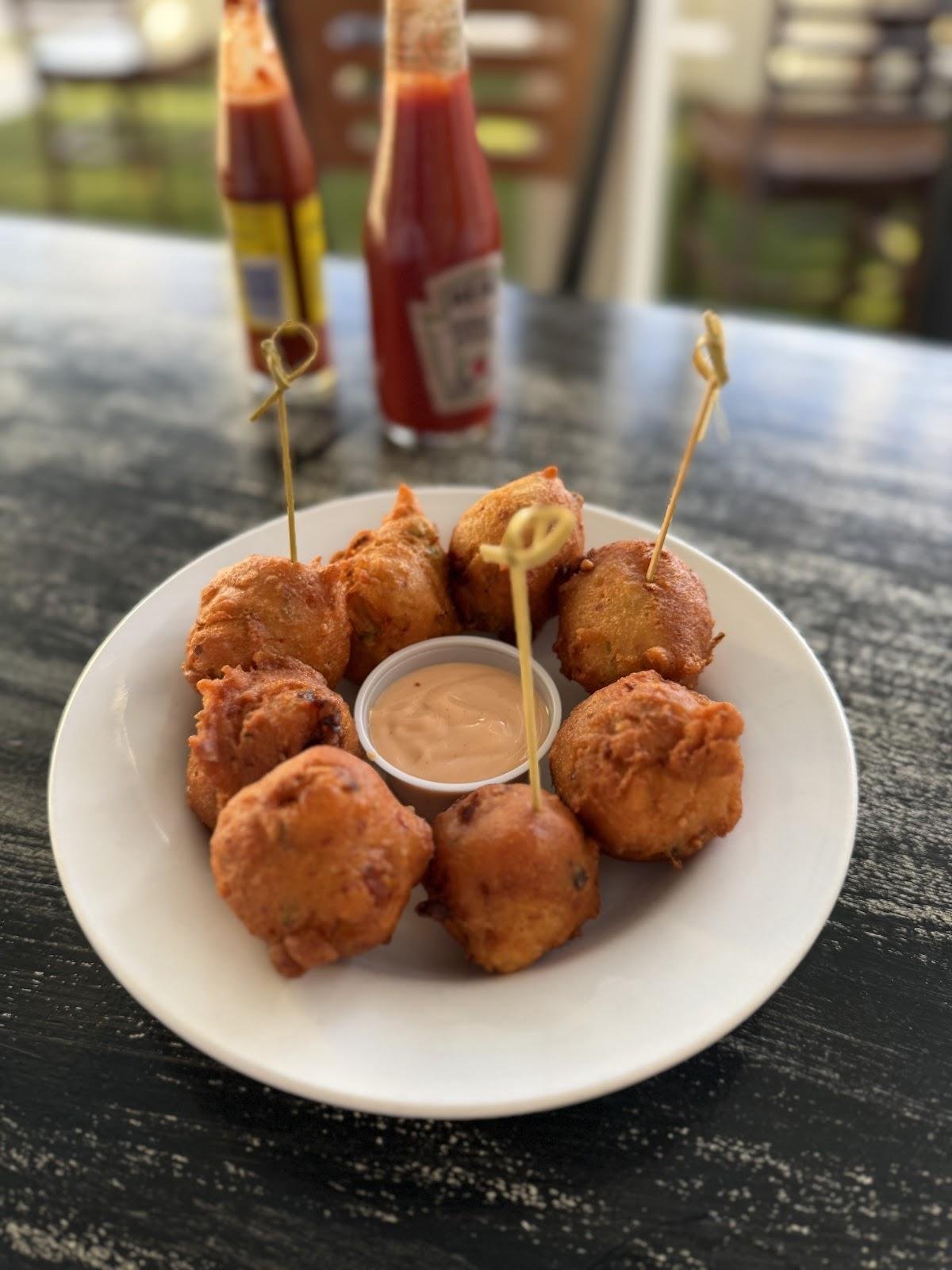
Food is one of the best ways to understand the Caribbean.
Beyond the beaches, resorts and cruise ports, every island has its own collection of ingredients, cooking traditions, recipes and food rituals shaped by generations of cultural exchange. African, Indigenous, European, Indian, Asian and other influences can be found across Caribbean kitchens, while local ingredients such as seafood, tropical fruit, cassava, plantains, spices, peppers and cocoa give each destination its own character.
For travelers, a Caribbean food experience can be as simple as ordering a local breakfast, visiting a market or eating grilled seafood beside the sea. It can also mean joining a cooking class, exploring a rum distillery, tasting locally produced chocolate or taking a guided food tour through a historic neighborhood.
Whether you are traveling on a Caribbean cruise, planning an island vacation or visiting several destinations, these are some of the best Caribbean food experiences to add to your itinerary.
1. Take a Caribbean Food Tour
A guided food tour is one of the easiest ways to discover local cuisine, particularly if you are visiting an island for the first time.
Rather than eating only at restaurants designed for visitors, a food tour can introduce you to local markets, bakeries, street-food vendors, family-run restaurants and traditional dishes.
A good food tour may combine:
- Local breakfast dishes
- Street food
- Tropical fruits
- Seafood
- Traditional desserts
- Local drinks
- Markets
- Historic neighborhoods
- Food stories and cultural history
Saint Lucia’s tourism authority currently promotes food tours that combine local dishes, markets, Creole cuisine and community experiences.
For cruise passengers, look for food tours specifically designed around your port schedule.
2. Explore a Caribbean Food Market
Markets are among the best places to see how local food actually moves from farm and fishing communities to the kitchen.
You can find:
- Tropical fruits
- Vegetables
- Spices
- Fresh fish
- Meat
- Herbs
- Cocoa
- Local snacks
- Baked goods
- Traditional ingredients
Saint Lucia’s Castries Market is a good example. The tourism authority recommends visiting in the morning, when vendors sell produce, spices, cocoa products and traditional foods.
A market visit is particularly useful if you want to understand the ingredients behind the dishes you encounter later in restaurants.
Market tip
Don’t just photograph the food. Ask vendors about unfamiliar ingredients, learn what locals use them for and, where appropriate, purchase something you can take home.
3. Taste Jamaican Jerk
Few Caribbean foods have achieved the global recognition of Jamaican jerk.
Jerk cooking is associated with meat, seafood and vegetables seasoned with aromatic spices and peppers and traditionally cooked over pimento wood.
Jamaica’s tourism authority identifies jerk as one of the country’s signature culinary experiences, with jerk restaurants, roadside food stands and traditional food destinations found across the island.
A typical jerk meal might be served with:
- Festival
- Rice and peas
- Bammy
- Fried plantain
- Fresh salad
- Corn
For a more authentic experience, consider visiting a local jerk restaurant or roadside stand rather than limiting yourself to resort dining.
4. Try Ackee and Saltfish in Jamaica
If you’re visiting Jamaica, ackee and saltfish is one of the dishes worth seeking out.
It is widely recognized as Jamaica’s national dish and is commonly served for breakfast, often accompanied by items such as fried dumplings, callaloo, green bananas, avocado or plantain.
The dish reflects the distinctive development of Jamaican cuisine and is a good introduction to the island’s traditional flavors.
Pair it with fresh fruit juice or Jamaican Blue Mountain coffee for a classic breakfast experience.
5. Sample Jamaican Patties
The Jamaican patty is one of the Caribbean’s most recognizable grab-and-go foods.
The golden pastry can be filled with seasoned meat, vegetables or other fillings and is widely available from bakeries and patty shops.
Jamaica’s tourism authority describes the patty as a staple food and highlights the long-standing tradition of enjoying it with cocoa bread.
For travelers exploring Jamaica, a patty makes an easy snack between excursions.
Try different fillings and compare the pastry, seasoning and texture from different bakeries.
6. Enjoy Fresh Caribbean Seafood
With thousands of miles of coastline and countless fishing communities, seafood naturally plays an important role in Caribbean cuisine.
Depending on the destination, you may find:
- Snapper
- Mahi-mahi
- Lobster
- Shrimp
- Conch
- Saltfish
- Crab
- Grilled or fried local fish
Jamaica’s tourism authority highlights fresh seafood as an important part of its food culture, including dishes such as fried fish, steamed fish and seafood served with local sides.
Barbados also promotes locally caught fish and seafood as part of its culinary identity.
For the freshest experience, look for restaurants and food stalls near fishing communities or waterfront areas.
7. Experience a Caribbean Fish Fry
A fish fry combines food with community, music and atmosphere.
Instead of simply ordering seafood in a formal restaurant, a fish fry can turn dinner into a social experience with grilled or fried fish, side dishes, drinks, music and conversation.
Saint Lucia’s tourism authority highlights Friday-night food gatherings and local street-food experiences as opportunities to experience food alongside music and community life.
The exact format varies from island to island, but the concept is similar: local food becomes part of a larger community experience.
8. Taste Saint Lucia’s Green Fig and Saltfish
Saint Lucia’s national dish is green fig and saltfish.
Despite the name, “green figs” refers to unripe bananas. They are cooked and served with salted fish seasoned with herbs and other local ingredients.
Saint Lucia’s tourism authority identifies green fig and saltfish as the island’s signature national dish and recommends it as an essential culinary experience.
You may encounter it at:
- Local restaurants
- Markets
- Food festivals
- Community events
- Cooking classes
- Street-food locations
Trying the dish in a local setting can make it more meaningful because you can learn about its place in everyday island life.
9. Explore Saint Lucian Street Food
Street food provides another window into Caribbean culture.
Saint Lucia’s current culinary information highlights foods such as bakes, saltfish accra, green fig and saltfish, roasted corn, grilled seafood and other roadside snacks.
Bakes are fried dough snacks that can be paired with ingredients such as saltfish, cheese or other fillings, while accra are seasoned saltfish fritters.
For travelers, street food is an opportunity to taste small portions of several dishes rather than committing to one large restaurant meal.
10. Visit a Caribbean Rum Distillery
Rum has deep historical and agricultural connections to the Caribbean.
A distillery tour can show you how sugarcane-derived products are transformed into rum and how different producers develop their own styles.
Depending on the destination, a tour may include:
- Distillery history
- Sugarcane heritage
- Production methods
- Aging
- Blending
- Tastings
- Cocktail demonstrations
Barbados is particularly associated with rum and presents the drink as an important part of its culinary and cultural heritage.
If you do not drink alcohol, some distillery visits can still be worthwhile for the history and production process.
11. Discover Caribbean Chocolate and Cocoa
Chocolate lovers should look beyond imported chocolate bars and explore the Caribbean’s cocoa-growing traditions.
Cocoa experiences can take travelers from the plantation to the finished product.
Depending on the destination, you might:
- Visit a cocoa estate
- See cacao trees
- Learn how beans are fermented
- Taste roasted cacao
- Make chocolate
- Participate in a chocolate workshop
Saint Lucia currently promotes cacao experiences where visitors can learn about locally grown cocoa and participate in chocolate-making activities.
A chocolate-making class can also be an excellent family or couples’ activity.
12. Take a Caribbean Cooking Class
If you want more than simply tasting local food, learn how to prepare it.
A Caribbean cooking class allows you to understand the ingredients, techniques and cultural influences behind traditional dishes.
Classes may cover:
- Creole cuisine
- Caribbean seafood
- Jerk cooking
- Local soups
- Plantain dishes
- Rice and peas
- Traditional sauces
- Tropical desserts
Saint Lucia offers cooking experiences where visitors can participate in preparing traditional dishes and learn about local herbs, vegetables and fruits.
The biggest advantage is that you can take the experience home and recreate some of the flavors after your vacation.
13. Taste Barbados’ Local Cuisine
Barbados offers a particularly diverse culinary scene, from casual food stalls and rum shops to waterfront restaurants and fine dining.
The official tourism authority highlights locally caught fish, sweet plantains, rice and peas, West Indian curries and rotis among the island’s culinary experiences.
You may also encounter:
- Fish cakes
- Flying fish
- Macaroni pie
- Bajan soups
- Pudding and souse
- Roti
- Seafood
- Local desserts
One of the best ways to explore Barbados’ food culture is to combine a local market or casual food stop with a traditional restaurant.
14. Try Caribbean Roti and Curry
The Caribbean’s culinary history includes significant South Asian influence, particularly through communities whose ancestors arrived from India.
This influence can be tasted in dishes such as roti and various curries.
Depending on the island, you may find:
- Curry goat
- Curry chicken
- Curry fish
- Vegetable curry
- Roti wraps
- Channa and potato
- Spiced rice dishes
Jamaica’s tourism authority, for example, lists curry goat among its traditional favorites, illustrating how curry became part of the island’s distinctive food culture.
Trying similar dishes across several islands can reveal how each destination adapted shared influences into its own cuisine.
15. Explore Caribbean Tropical Fruits
Don’t overlook the fruit markets.
The Caribbean’s tropical climate supports an impressive variety of fruits, some familiar and others less common to international travelers.
Depending on the island and season, you may encounter:
- Mango
- Pineapple
- Papaya
- Guava
- Passion fruit
- Soursop
- Breadfruit
- Coconut
- Starfruit
- Golden apple
- Sugar apple
Jamaica’s tourism authority specifically encourages visitors to explore its roadside fruit stalls and sample less familiar tropical fruits.
A fresh fruit market can be one of the simplest and most affordable culinary experiences during an island visit.
16. Try Caribbean Street Food
Street food allows you to experience local flavors without committing to a long restaurant meal.
Popular Caribbean street foods vary by destination but can include:
- Patties
- Bakes
- Accra
- Fish cakes
- Fried plantain
- Jerk chicken
- Grilled corn
- Saltfish
- Roti
- Grilled seafood
- Local pastries
Street food is particularly useful for cruise passengers because you can sample something local during a short port visit.
Look for busy vendors and places frequented by local residents, while also using normal food-safety judgment.
17. Explore Local Bakeries
Bakeries can reveal another side of Caribbean food culture.
Depending on the destination, you may find:
- Patties
- Coconut bread
- Bakes
- Sweet breads
- Cassava-based products
- Coconut cakes
- Fruit pastries
- Local desserts
Jamaica’s tourism authority highlights patties and bakeries as an important part of the island’s food experience.
A bakery stop can also be an easy addition to a sightseeing itinerary.
18. Experience Caribbean Farm-to-Table Food
Many Caribbean islands produce a surprising variety of ingredients locally.
Farm-to-table experiences can introduce visitors to:
- Cocoa
- Coffee
- Bananas
- Herbs
- Breadfruit
- Cassava
- Tropical fruit
- Vegetables
- Spices
Saint Lucia’s current culinary tourism program specifically highlights farm-to-table experiences involving ingredients such as cacao, breadfruit, cassava, herbs and seasonal produce.
These experiences help explain how the island’s geography and agriculture influence what appears on the dinner table.
19. Discover Caribbean Coffee
Coffee lovers should consider exploring the region’s coffee-growing traditions.
Jamaica’s Blue Mountain coffee is perhaps the best-known example, and the island’s tourism authority includes Blue Mountain Coffee among its signature food and drink experiences.
A coffee experience can include:
- Plantation visits
- Coffee tasting
- Roasting demonstrations
- Farm tours
- Brewing experiences
For a more immersive experience, combine a coffee stop with a mountain or countryside excursion.
20. Experience Caribbean Desserts and Sweets
Save room for dessert.
Caribbean desserts often feature ingredients such as:
- Coconut
- Sweet potato
- Pineapple
- Mango
- Banana
- Cassava
- Spices
- Chocolate
Jamaica’s tourism authority highlights traditional sweets including sweet potato pudding, while other islands offer their own cakes, puddings, pastries and coconut-based desserts.
Trying local desserts is an easy way to finish a food tour.
Best Caribbean Food Experiences by Destination
Each island has its own culinary personality.
Jamaica
Jamaica is particularly well known for bold flavors and dishes such as:
- Jerk chicken and pork
- Ackee and saltfish
- Curry goat
- Oxtail
- Rice and peas
- Jamaican patties
- Seafood
- Ital cuisine
- Blue Mountain coffee
The country’s tourism authority describes Jamaican cuisine as shaped by a wide range of cultural influences, including Indigenous, African, European, Indian, Chinese and Middle Eastern traditions.
Best for: Jerk, street food, traditional dishes, coffee and culinary variety.
Barbados
Barbados offers:
- Flying fish
- Fish cakes
- Local seafood
- Roti
- Curries
- Rice and peas
- Sweet plantains
- Rum
- Casual beach food
- Fine dining
The island’s official tourism guide describes its culinary scene as ranging from rum shops and outdoor caterers to waterfront restaurants and fine dining.
Best for: Seafood, rum, local restaurants and Bajan cuisine.
Saint Lucia
Saint Lucia’s food experiences include:
- Green fig and saltfish
- Saltfish accra
- Bakes
- Seafood
- Creole dishes
- Local fruit
- Cocoa
- Chocolate
- Rum
- Street food
Its tourism authority emphasizes markets, cooking classes, farm-to-table experiences, cacao and local street food as ways to discover the island’s culinary heritage.
Best for: Creole cuisine, markets, chocolate and cooking experiences.
Antigua & Barbuda
Antigua and Barbuda offer a combination of:
- Fresh seafood
- Caribbean dishes
- Local fruit
- Rum
- Beachside dining
- Local markets
- Traditional cooking
Best for: Seafood and relaxed coastal dining.
Grenada
Grenada’s nickname as the “Spice Isle” reflects the importance of spices and agriculture to its culinary identity.
Look for:
- Nutmeg
- Cinnamon
- Cloves
- Cocoa
- Seafood
- Local soups
- Caribbean curries
- Chocolate
Best for: Spices, chocolate and farm-based food experiences.
Curaçao
Curaçao offers a multicultural culinary scene influenced by the island’s diverse history.
Visitors can explore:
- Local seafood
- Keshi yena
- Pastechi
- Caribbean stews
- Dutch-influenced foods
- Local markets
- Contemporary restaurants
Best for: Multicultural cuisine and distinctive local dishes.
The Bahamas
The Bahamas is particularly associated with:
- Conch
- Fresh seafood
- Conch fritters
- Cracked conch
- Fish
- Peas and rice
- Tropical fruit
- Bahamian desserts
Best for: Seafood, conch and casual island food.
Best Caribbean Food Experiences for Cruise Passengers
Food experiences work particularly well during a Caribbean cruise because you can explore a different culinary tradition at every port.
Instead of eating at the same type of restaurant throughout your cruise, consider creating a culinary itinerary.
Example Caribbean food cruise
Jamaica: Jerk lunch and Jamaican patty
Grand Cayman: Seafood and local specialties
Barbados: Bajan food and rum heritage
Saint Lucia: Creole cooking experience
Grenada: Spice and chocolate experience
Curaçao: Local market and traditional dish
This approach allows each destination to contribute something different to your trip.
How to Choose a Caribbean Food Excursion
Look beyond resort restaurants
Resorts can offer excellent food, but local restaurants, markets and food tours can provide a closer connection to the destination.
Consider the time available
Cruise passengers should choose food experiences that fit comfortably within their port schedule.
A nearby market and restaurant may be more practical during a short stop than a farm located far inland.
Try something unfamiliar
One of the best reasons to travel is to taste something you cannot easily find at home.
Ask your guide or server what locals actually eat rather than ordering only familiar dishes.
Check what’s included
For organized food excursions, determine whether the price includes:
- Transportation
- Food tastings
- Drinks
- Restaurant meals
- Market visits
- Cooking ingredients
- Guide services
Consider dietary requirements
If you are vegetarian, vegan, gluten-free or have food allergies, communicate your requirements before booking.
Jamaica, for example, has an established Ital food tradition that provides plant-based options, while many Caribbean destinations offer vegetarian and seafood-based dishes.
How to Experience Caribbean Food More Authentically
A meaningful food experience isn’t necessarily the most expensive one.
Try these simple approaches:
- Visit a local market
- Eat where residents eat
- Take a cooking class
- Talk to local food vendors
- Try traditional breakfast
- Sample street food
- Visit a farm or cocoa estate
- Learn the history behind a dish
- Buy locally produced ingredients
- Attend a food festival
- Try local drinks and desserts
Food is not just something to consume. It can tell you about migration, agriculture, history, family traditions and the relationship between Caribbean communities and the land and sea.
Responsible Caribbean Food Tourism
Food tourism can support local communities when travelers make thoughtful choices.
Whenever possible, consider locally owned restaurants, markets, farms, food producers and small businesses.
Respect local customs, ask permission before photographing vendors or food preparation areas and avoid wasting food during tasting experiences.
If seafood is an important part of your itinerary, you can also ask restaurants or operators about locally sourced and responsibly harvested options.
The best Caribbean food experiences take you beyond the typical tourist menu and introduce you to the flavors, ingredients and traditions that make each island different.
Taste jerk in Jamaica, explore a market in Saint Lucia, enjoy seafood in Barbados, discover cocoa in Grenada, try conch in the Bahamas or experience a local cooking class and learn how traditional recipes come together.
Food can also be one of the easiest ways to connect different parts of a Caribbean trip. A market tells you where ingredients come from. A cooking class shows you how they are prepared. A local restaurant lets you taste the finished dish. And a conversation with a food vendor or chef can reveal the story behind it.
For cruise passengers, even a few hours ashore can become a memorable culinary adventure when you choose the right experience.
Discover Caribbean Food with Across Caribbean Excursions
Your Caribbean journey doesn’t have to end with the beach.
From local markets and street food to cooking classes, seafood, rum, chocolate, coffee and traditional island cuisine, Across Caribbean Excursions can help you discover the flavors that make every Caribbean destination unique.
Explore your next destination, taste something new and make food part of the story you bring home.
