
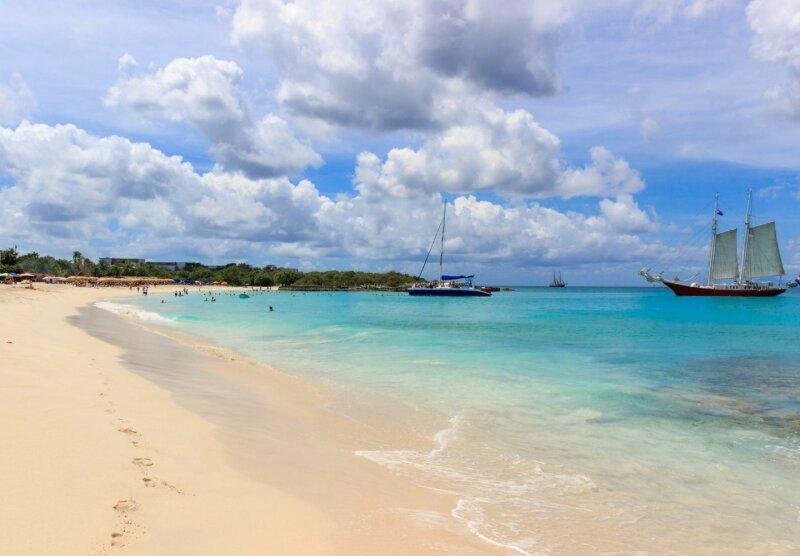
A Caribbean cruise can take you to several beautiful destinations in a single vacation, but choosing what to do at each port can sometimes be overwhelming. You may have dozens of excursions to choose from, ranging from beach days and snorkeling trips to rainforest adventures, historical tours, food experiences, sailing, and island sightseeing.
The right excursion isn’t necessarily the most expensive, longest, or most popular option. It is the one that fits your available time, interests, budget, travel group, and comfort level while giving you a meaningful experience of the destination.
Whether you’re visiting the Caribbean for the first time or are an experienced cruiser, knowing how to compare shore excursions can help you spend your limited time ashore wisely.
1. Start With Your Cruise Port Schedule
Before choosing an excursion, look at your ship’s actual port schedule.
Your available time ashore determines what is realistic. An excursion that works during a long port call may not be suitable when your ship is only in port for a few hours.
Consider:
- Ship arrival time
- Scheduled departure time
- Disembarkation time
- Excursion departure time
- Transportation time
- Return time
- Time needed to get back onboard
Don’t look only at the activity itself. A three-hour snorkeling experience could take considerably longer once transportation and meeting times are included.
Always leave a reasonable buffer before the ship’s all-aboard time.
2. Decide What Kind of Experience You Want
The first major decision is simple: What do you actually want to experience?
Caribbean shore excursions generally fall into several categories.
Beach and Relaxation
Choose a beach excursion if you want:
- Swimming
- Sunbathing
- Relaxation
- Scenic views
- Easygoing activities
This can be a good choice if you’ve spent several busy days sightseeing and want a slower port day.
Adventure
Adventure excursions can include:
- Ziplining
- ATV tours
- Hiking
- Kayaking
- Cave exploration
- River tubing
- Water sports
These are suited to travelers who want an active experience rather than a relaxing day.
Nature and Wildlife
Nature-focused excursions may include:
- Rainforest walks
- Waterfalls
- Botanical gardens
- Snorkeling
- Wildlife encounters
- Marine excursions
- Scenic nature tours
History and Culture
If you want to understand the destination, consider:
- Historic walking tours
- Forts
- Museums
- Colonial districts
- Historic estates
- Cultural centers
- Local food tours
Food and Culinary Experiences
Food-focused excursions allow you to experience local flavors through:
- Cooking classes
- Food markets
- Restaurant visits
- Street-food tours
- Local tastings
- Rum or other locally produced beverage experiences where appropriate
Choosing your preferred experience type first can make the rest of the selection process much easier.
3. Match the Excursion to Your Travel Group
An excursion that works perfectly for a couple may not work for a family with young children or a multigenerational group.
Consider the needs of everyone traveling with you.
Families
Look for activities with:
- Appropriate age requirements
- Family-friendly transportation
- Shorter periods of strenuous activity
- Safe swimming conditions
- Facilities such as restrooms
- Flexible meal arrangements
Couples
Couples may prefer:
- Private tours
- Catamaran cruises
- Scenic drives
- Beach experiences
- Sunset experiences where the port schedule permits
- Culinary tours
Groups of Friends
A group might enjoy:
- Sailing
- Snorkeling
- Water sports
- Adventure tours
- Island sightseeing
- Beach clubs
Older Travelers
Look carefully at:
- Walking distances
- Stairs
- Terrain
- Vehicle access
- Activity levels
- Seating arrangements
- Accessibility
Cruise excursion descriptions commonly identify activity levels and age or physical requirements, so check those details before booking.
4. Check the Activity Level
One of the easiest ways to choose the wrong excursion is to underestimate the physical requirements.
A tour described as a sightseeing excursion might involve considerable walking, while a waterfall excursion could include uneven trails and stairs.
Look for information about:
- Walking distance
- Hiking
- Swimming
- Climbing
- Uneven surfaces
- Heat exposure
- Water conditions
- Required fitness level
Be honest about what you and your travel companions can comfortably handle.
An excursion should be enjoyable, not an endurance test.
5. Consider How Far the Excursion Is From the Port
Distance matters enormously during a cruise stop.
A famous attraction may look perfect on a map but could require a long drive from the cruise terminal.
For example, some Caribbean excursions involve substantial road transfers before you reach the main attraction. In these cases, transportation can consume a significant portion of your available time.
Before booking, ask:
How much of my port day will actually be spent experiencing the attraction?
A slightly less famous attraction closer to the port may give you more time to enjoy the destination.
6. Decide Between a Short Excursion and a Full-Day Experience
Not every port requires a full-day tour.
Short Excursions
A shorter excursion can work well when you want to:
- Visit one attraction
- Spend time at a nearby beach
- Explore the port independently
- Leave time for shopping
- Keep the day relaxed
Half-Day Excursions
These are useful when you want to combine two experiences, such as:
Historic sightseeing + beach
or
Island tour + local lunch
Full-Day Excursions
A full-day excursion can make sense when the destination’s major attractions are spread across the island or require substantial transportation.
However, make sure the itinerary isn’t so packed that you spend most of the day moving between locations.
7. Choose One Main Experience
A useful strategy is to choose one anchor experience for your port day.
For example:
- St. Lucia → scenic island and Pitons experience
- Jamaica → waterfall or cultural excursion
- Barbados → beach and historical sightseeing
- Aruba → beach and snorkeling
- Curaçao → Willemstad and cultural exploration
- Antigua → historic attractions and beach
- Grenada → waterfalls and island sightseeing
- Bahamas → beach, snorkeling, or marine experience
You can then add one smaller activity if time allows.
Trying to visit every major attraction during a six- or eight-hour port call can leave you spending more time in traffic than actually experiencing the destination.
8. Compare Group Tours and Private Excursions
You will often have a choice between joining a group excursion and arranging a private experience.
Group Excursions
These can provide:
- Structured itineraries
- Shared transportation
- Professional guides
- Predictable scheduling
- Opportunities to meet other travelers
They can be particularly convenient for first-time cruisers.
Private Excursions
Private tours can offer:
- More flexibility
- Smaller groups
- Customized itineraries
- More control over stops
- A more personalized experience
The trade-off is usually greater responsibility for coordinating the itinerary and transportation.
Compare the actual inclusions, meeting arrangements, cancellation terms, and schedule rather than choosing solely based on price.
9. Compare What Is Included
Two excursions may look similar but have very different inclusions.
Before paying, check whether the price includes:
- Transportation
- Entrance fees
- Meals
- Drinks
- Snorkeling equipment
- Beach facilities
- Professional guide
- Hotel or port pickup
- Taxes and fees
For example, an excursion advertised as a beach experience may or may not include chairs, umbrellas, food, drinks, or equipment.
Read the full excursion description rather than relying only on the title.
10. Look at the Meeting Point
The meeting point can make a significant difference.
Some tours meet:
- Inside the cruise terminal
- On the ship
- At the pier
- At a designated location near the port
- At a separate transportation hub
Make sure you know exactly where you need to go and how long it will take to get there.
If your ship uses tender boats rather than docking directly at the pier, allow additional time for getting ashore.
Cruise operators specifically advise passengers to check meeting locations and account for tender transportation where applicable.
11. Check the Return Schedule Carefully
The return schedule is one of the most important factors when selecting an excursion.
You don’t want an excursion that leaves you racing back to the ship.
Pay attention to:
- Tour end time
- Transportation duration
- Traffic conditions
- Ferry or boat schedules
- Distance from the cruise terminal
- Expected arrival back at the port
- Ship departure time
Build in a personal buffer rather than planning to arrive immediately before departure.
12. Decide Whether to Book Through the Cruise Line or Independently
Both approaches have advantages.
Cruise-Line Excursions
Cruise-line excursions can provide a convenient booking process and organized transportation. Cruise lines also provide excursion information covering activity requirements, inclusions, meeting arrangements, and other details.
One important consideration is the relationship between the excursion and the ship’s schedule. Policies vary by cruise line, so check the specific terms for your sailing.
Independent Excursions
Independent operators can provide:
- Smaller groups
- More personalized experiences
- Different itineraries
- Flexible tour options
- Local expertise
However, you should research the operator carefully and understand the cancellation, weather, transportation, and missed-port policies before paying.
The cheapest excursion isn’t necessarily the best value if the itinerary, transportation, or inclusions don’t meet your needs.
13. Research the Tour Operator
If you book independently, investigate the company before making payment.
Look for:
- Recent customer reviews
- Clear contact information
- Detailed itinerary
- Cancellation policy
- Weather policy
- Transportation details
- Insurance information where applicable
- Clear meeting instructions
Be cautious of vague descriptions or operators that cannot clearly explain how the excursion works.
14. Consider the Weather
The Caribbean is a tropical region, and weather can influence your experience.
Water-based activities are particularly dependent on conditions.
Before booking, find out what happens if:
- The sea becomes rough
- Heavy rain affects the excursion
- A water activity is cancelled
- Your cruise ship misses the port
- The operator cannot operate as planned
Excursion operators and cruise lines may have different cancellation policies, so read the terms before booking. Cruise-line policies, for example, can provide specific provisions for excursions cancelled because of weather or missed ports.
15. Check Age, Height, Weight and Other Requirements
Some activities have restrictions.
These may apply to:
- Children
- Infants
- Older travelers
- Pregnant travelers
- Swimming ability
- Height
- Weight
- Fitness level
Adventure activities can have particularly specific requirements.
Don’t assume that everyone in your group can participate simply because the excursion is advertised as family-friendly.
Check the actual requirements.
16. Think About Accessibility
If anyone in your group uses a wheelchair, walker, scooter, or has limited mobility, accessibility should be considered before booking.
Check:
- Vehicle accessibility
- Boarding arrangements
- Walking distances
- Stairs
- Beach access
- Restroom facilities
- Surface conditions
- Availability of assistance
Some cruise lines and excursion operators offer specifically accessible experiences, but availability varies by destination and excursion.
17. Consider the Size of the Group
Group size can significantly affect your experience.
A large coach tour may provide an affordable way to see several attractions, while a small-group or private excursion can offer more flexibility.
Ask yourself whether you prefer:
Lower cost + larger group
or
More personal attention + smaller group
Neither format is automatically right for everyone.
18. Compare the Price With the Experience
Don’t compare excursions based only on the headline price.
Instead, compare what you’re actually receiving.
For example:
Excursion A
- Lower price
- Large group
- Transportation included
- One attraction
- No meal
Excursion B
- Higher price
- Small group
- Transportation included
- Two attractions
- Lunch included
The second excursion may provide different value depending on your priorities.
Think about the entire experience rather than the price alone.
19. Look for Authentic Local Experiences
If experiencing Caribbean culture is important to you, consider excursions that go beyond the main tourist attractions.
Look for opportunities to:
- Visit local markets
- Meet local guides
- Try regional food
- Visit historic communities
- Learn about local traditions
- Explore local art and crafts
- Support locally operated businesses
A good shore excursion should help you experience something about the destination that you wouldn’t get simply by staying onboard the ship.
20. Book Popular Excursions Early
Popular shore excursions can have limited availability.
Cruise lines encourage passengers to reserve popular excursions ahead of sailing because spaces can fill up.
This is particularly worth considering if you have your heart set on:
- A private tour
- A small-group excursion
- A particular snorkeling trip
- A popular catamaran cruise
- A specialized adventure
- An accessible excursion
However, don’t book simply because an excursion is popular. Make sure it actually fits your interests and schedule.
A Simple Formula for Choosing Your Excursion
When comparing several options, ask these seven questions:
1. What do I want to experience?
Beach, culture, food, history, nature, wildlife, or adventure?
2. How much time do I really have?
Look at your complete port schedule rather than the advertised tour duration.
3. How far is the attraction?
Long transfers can significantly reduce your actual experience time.
4. Can everyone in my group participate?
Check age, mobility, swimming, fitness, and other requirements.
5. What’s included?
Look beyond the headline price.
6. What’s the return plan?
Make sure you understand how and when you get back to the cruise terminal.
7. What happens if plans change?
Check weather, cancellation, and missed-port policies.
If an excursion passes all seven checks, you have a much clearer basis for making your choice.
Example: Choosing Between Three Caribbean Excursions
Imagine your ship arrives in a Caribbean port for eight hours and you have three options.
Option 1: Beach Day
- Short transportation
- Several hours at the beach
- Minimal physical activity
- Easy return to port
Best suited to: Travelers looking for relaxation.
Option 2: Island Sightseeing
- Multiple attractions
- Scenic drive
- Local lunch
- Several transportation stops
Best suited to: First-time visitors wanting a broad introduction to the island.
Option 3: Adventure Tour
- Active outdoor experience
- Longer transportation
- Physical activity
- More structured schedule
Best suited to: Travelers who want adventure and are comfortable with a more demanding day.
The “right” choice depends on what you want from that particular port.
Don’t Choose the Same Excursion at Every Port
One of the advantages of a Caribbean cruise is the variety of destinations.
If your itinerary includes several islands, consider creating a mix of experiences.
For example:
Port 1: Beach and relaxation
Port 2: History and culture
Port 3: Snorkeling
Port 4: Rainforest adventure
Port 5: Local food and sightseeing
This allows you to experience different sides of the Caribbean rather than repeating the same type of excursion throughout your cruise.
Your Caribbean Shore Excursion Checklist
Before booking, make sure you can answer:
- What is the main experience?
- How long is the excursion?
- Where does it start?
- How far is it from the port?
- What transportation is provided?
- What’s included in the price?
- What isn’t included?
- What are the age requirements?
- What is the activity level?
- Is it suitable for everyone in my group?
- What happens if the weather changes?
- What is the cancellation policy?
- When will I return to the port?
- How much buffer do I have before the ship departs?
If you can answer these questions, you’ll have a much better understanding of what you’re actually booking.
Make Your Caribbean Port Day Count
Choosing the right Caribbean shore excursion comes down to more than finding the most exciting activity.
Start with your cruise schedule, decide what type of experience you want, consider your travel companions, check the physical requirements, compare transportation and inclusions, research the operator, and make sure you have a comfortable plan for getting back to the ship.
Whether you choose a quiet beach day in Antigua, snorkeling in the Bahamas, cultural sightseeing in Curaçao, rainforest exploration in Jamaica, or a scenic adventure in St. Lucia, the best excursion is one that matches your interests and the realities of your port day.
Planning your next Caribbean cruise? Across Caribbean Excursions can help you discover beaches, cultural experiences, adventure activities, island tours, food experiences, and other memorable ways to explore the Caribbean during your cruise.
