
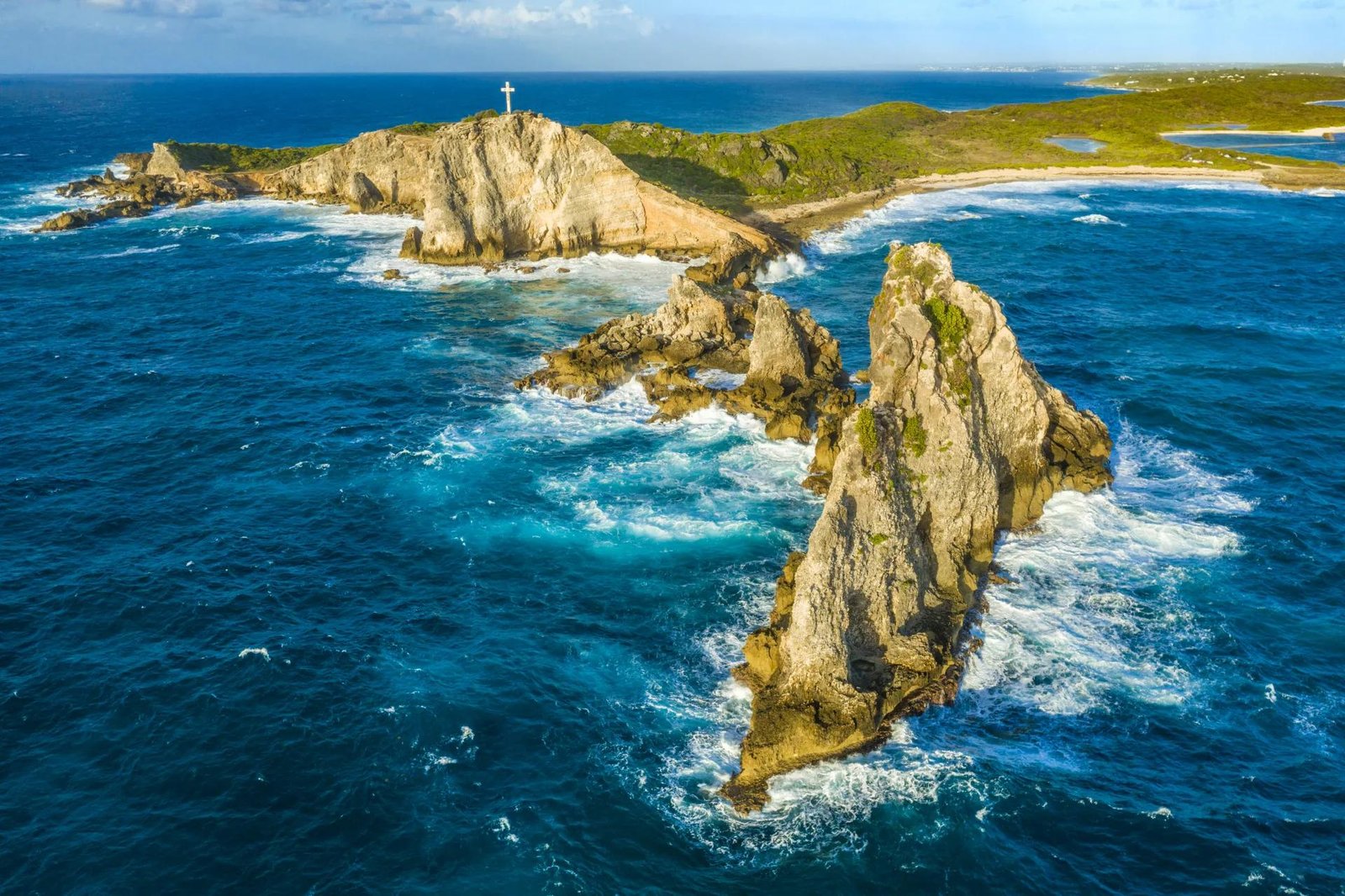
Curaçao is one of the most distinctive destinations in the Caribbean. Known for its colourful Dutch-Caribbean architecture, beautiful beaches, clear turquoise waters, vibrant street art, and rich cultural heritage, the island offers much more than a traditional beach holiday.
As one of the ABC islands, Curaçao combines European influences with Caribbean traditions, creating a destination filled with history, local flavour, natural beauty, and outdoor adventure.
Whether you are visiting for the first time, travelling with family, planning a romantic escape, or spending a day in port during a cruise, there are plenty of memorable experiences to enjoy.
Here are 15 of the best things to do in Curaçao for first-time visitors.
1. Explore Colourful Willemstad
A visit to Curaçao should begin in Willemstad, the island’s colourful capital and one of its most recognisable attractions.
The historic city is famous for its brightly painted buildings, Dutch architectural influences, waterfront streets, cafés, museums, and lively public spaces. Its historic centre is recognised as a UNESCO World Heritage Site.
Willemstad is divided into several distinctive areas, including Punda and Otrobanda. Each offers a different atmosphere, from colourful shopping streets and historic buildings to local restaurants and artistic neighbourhoods.
While exploring the city, you can:
- Photograph the colourful Handelskade waterfront
- Discover historic streets and buildings
- Visit local shops and boutiques
- Enjoy Caribbean and international cuisine
- Explore museums and galleries
- Walk across the Queen Emma Pontoon Bridge
- Discover street art and public murals
Willemstad is ideal for first-time visitors because it introduces you to Curaçao’s history, culture, architecture, and everyday atmosphere in one place.
2. Walk Across the Queen Emma Pontoon Bridge
The Queen Emma Pontoon Bridge is one of Curaçao’s most famous landmarks.
This floating pedestrian bridge connects the districts of Punda and Otrobanda across St. Anna Bay. It swings open when ships need to enter or leave the harbour, creating a unique experience for visitors.
The bridge provides excellent views of:
- Willemstad’s colourful waterfront
- Passing boats and ships
- The harbour
- Historic buildings
- The surrounding cityscape
Walking across the bridge is free and easy to include in a city sightseeing tour. If the bridge opens for marine traffic, passengers can generally use a nearby ferry service to cross the channel.
Visit during the day for bright waterfront photographs or in the evening when the city becomes beautifully illuminated.
3. Discover the Street Art of Otrobanda
Otrobanda is known for its colourful buildings, creative atmosphere, and impressive collection of murals and street art.
The neighbourhood’s artwork reflects Curaçao’s culture, history, people, traditions, and modern identity. Exploring the streets can feel like visiting an open-air gallery.
A walk through Otrobanda allows you to discover:
- Large colourful murals
- Creative public art
- Historic buildings
- Small cafés and local businesses
- Cultural landmarks
- Photogenic streets and courtyards
You can explore independently or join a guided walking tour to learn more about the stories behind the artwork.
This experience is particularly enjoyable for photographers, art lovers, and visitors who want to see a more local side of Curaçao.
4. Relax at Grote Knip Beach
Grote Knip, also known as Playa Kenepa Grandi, is one of Curaçao’s most beautiful beaches.
The beach is surrounded by dramatic cliffs and offers clear blue water, soft sand, and spectacular coastal views. Its elevated viewpoints are especially popular for photography.
Grote Knip is ideal for:
- Swimming in suitable conditions
- Sunbathing
- Relaxing on the sand
- Snorkeling
- Scenic photography
- Enjoying a classic Caribbean beach setting
The beach can become busy during popular travel periods, so arriving earlier may provide a more peaceful experience.
Grote Knip is located in the western part of Curaçao and can be combined with other beaches and natural attractions in the area.
5. Go Snorkeling Along the West Coast
Curaçao is well known for its clear waters and accessible marine life. The island’s western coastline features numerous beaches and coves where visitors can snorkel close to shore.
Popular snorkeling areas include:
- Kleine Knip
- Playa Lagun
- Playa Porto Mari
- Cas Abao
- Boca Sami
- Selected areas near Westpunt
Depending on the location and conditions, snorkelers may see colourful fish, coral formations, sea turtles, and other marine life.
First-time snorkelers should choose a calm, accessible beach and consider joining a guided excursion. Experienced visitors may prefer exploring several sites independently.
For a comfortable experience:
- Use reef-conscious sunscreen
- Wear water shoes where the shoreline is rocky
- Avoid touching coral
- Do not chase or feed marine animals
- Check sea conditions before entering the water
6. Visit Shete Boka National Park
For a dramatic natural experience, explore Shete Boka National Park on Curaçao’s rugged northern coast.
The park is known for its rocky shoreline, powerful waves, sea caves, coastal inlets, and spectacular blowholes. Ocean water is forced into the rocky formations, sometimes creating impressive bursts of spray.
The landscape is very different from Curaçao’s calm southern beaches. It is wild, windswept, and shaped by the power of the sea.
Highlights include:
- Coastal viewpoints
- Dramatic waves
- Rocky walking trails
- Natural inlets
- Sea caves
- Wildlife and birdwatching opportunities
- Scenic photography
Some coastal areas can be dangerous during rough weather. Follow marked trails and stay away from exposed edges and unstable rocks.
7. Explore Hato Caves
Hato Caves are among Curaçao’s most interesting geological and cultural attractions.
The caves were formed in ancient coral limestone and feature unusual rock formations, chambers, stalactites, and stalagmites. Some areas also contain historical markings associated with the island’s early inhabitants.
A guided visit can help you understand:
- How the caves were formed
- The geology of Curaçao
- The history of the island’s Indigenous communities
- The significance of cave markings
- The wildlife and natural features found inside
The caves offer a welcome change from beach activities and are suitable for travellers interested in nature, geology, history, and photography.
Wear comfortable shoes and follow all instructions to help protect the cave environment.
8. Take a Day Trip to Klein Curaçao
Klein Curaçao is a small, uninhabited island located off the southeastern coast of Curaçao.
The island is known for its long white-sand beach, clear turquoise water, colourful marine life, lighthouse, and shipwreck remains. It offers a beautiful contrast to Curaçao’s more developed coastal areas.
A typical day trip may include:
- Boat travel from Curaçao
- Swimming
- Snorkeling
- Beach relaxation
- Exploring the lighthouse area
- Photographing the shipwreck
- Enjoying lunch or refreshments
Klein Curaçao can be especially appealing to couples, families, and travellers who want a full day on a remote tropical island.
Boat trips may be affected by sea conditions, so choose a reputable operator and prepare for a day in the sun.
9. Visit Playa Lagun
Playa Lagun is a small and scenic beach located between rocky cliffs on Curaçao’s western coast.
Its sheltered setting and clear water make it a popular location for swimming and snorkeling when conditions are suitable. The beach is also known for its attractive surroundings and relaxed atmosphere.
Visitors may enjoy seeing:
- Tropical fish
- Reef formations
- Rocky underwater landscapes
- Sea turtles in the wider area
- Colourful coastal scenery
Because Playa Lagun is relatively small, it can become busy at certain times. Arriving early is a good way to enjoy the beach before crowds increase.
The beach is particularly suitable for travellers who prefer intimate coves rather than large resort beaches.
10. Discover Cas Abao Beach
Cas Abao is one of Curaçao’s best-known beach destinations and offers a combination of soft sand, clear water, and visitor facilities.
It is a convenient choice for travellers who want to spend several hours swimming, snorkeling, relaxing, and enjoying a comfortable beach day.
Depending on the conditions, visitors may enjoy:
- Swimming
- Snorkeling
- Sunbathing
- Beachside refreshments
- Scenic coastal walks
- Relaxation under shaded areas
Cas Abao is suitable for couples, families, and first-time visitors who prefer a beach with useful amenities.
It can also be included in a west-coast excursion that visits other beaches and snorkeling locations.
11. Explore the Curaçao Sea Aquarium Area
The Curaçao Sea Aquarium area is located along the southern coast and offers opportunities to learn about marine life and the island’s underwater environment.
The area is particularly appealing to families and travellers interested in marine conservation, ocean ecosystems, and aquatic wildlife.
Depending on the activities available during your visit, you may be able to learn about:
- Caribbean fish species
- Coral reefs
- Sea turtles
- Marine conservation
- Coastal ecosystems
- Local underwater habitats
The surrounding area also provides access to beaches, restaurants, and coastal attractions, making it convenient to combine with other activities.
Check the current programme and opening information before planning a visit.
12. Visit the Historic Fort Amsterdam
Fort Amsterdam is an important historic landmark in Willemstad.
The fort dates back to the colonial period and played a role in protecting the harbour and the city. Today, it provides insight into Curaçao’s strategic importance and its complex history.
A visit can be combined with a walking tour of central Willemstad and nearby historic attractions.
History enthusiasts may enjoy exploring:
- The fort’s architecture
- Historic walls and structures
- Nearby religious and civic buildings
- Harbour views
- Stories about Curaçao’s colonial past
Fort Amsterdam is a useful stop for visitors who want to understand the historical forces that shaped the island.
13. Learn About Curaçao’s History at Museum Kura Hulanda
Museum Kura Hulanda, located in Otrobanda, explores important aspects of African, Caribbean, and Curaçaoan history.
The museum addresses the history of slavery, the transatlantic slave trade, African cultures, and the experiences of communities affected by these events.
It offers a serious and educational perspective on the historical forces that shaped Curaçao and the wider Caribbean.
A visit is particularly meaningful for travellers interested in:
- Caribbean history
- African heritage
- Colonial history
- Human rights
- Cultural identity
- The legacy of slavery
Allow enough time to explore thoughtfully. The museum provides context that can deepen your understanding of Curaçao beyond its beaches and architecture.
14. Explore Jan Thiel Beach
Jan Thiel Beach is a popular coastal area known for its beach clubs, restaurants, shops, water activities, and lively atmosphere.
It is a good choice for visitors who want a combination of beach relaxation and entertainment. The area is particularly popular with travellers who enjoy having dining and leisure options close to the water.
Activities may include:
- Swimming in suitable areas
- Sunbathing
- Snorkeling
- Paddleboarding
- Dining by the sea
- Shopping
- Enjoying beach clubs
- Watching the sunset
Jan Thiel is ideal for visitors who prefer a more developed beach experience with plenty of facilities nearby.
15. Taste Local Curaçaoan Food and Blue Curaçao
Food is an important part of the Curaçao experience. The island’s cuisine reflects African, European, Latin American, and Caribbean influences.
First-time visitors should consider trying local dishes and snacks such as:
- Keshi yena
- Fresh seafood
- Goat stew
- Pastechi
- Funchi
- Fried plantains
- Local soups
- Dutch-inspired snacks
- Fresh tropical juices
Curaçao is also famous for its blue liqueur, which is associated with the island’s bitter orange flavour. Visitors interested in the drink’s history may explore a local tasting or production experience, where available.
For a more authentic food experience, try a local restaurant, food market, or family-run eatery rather than relying only on resort dining.
Best Things to Do in Curaçao for Different Travellers
For couples
- Take a sunset cruise
- Visit Klein Curaçao
- Explore Willemstad at night
- Relax at Cas Abao or Playa Lagun
- Enjoy dinner beside the sea
- Visit scenic west-coast beaches
For families
- Spend time at Jan Thiel Beach
- Visit the Curaçao Sea Aquarium area
- Explore Hato Caves
- Enjoy a guided island tour
- Visit calm beaches in suitable conditions
- Take a boat trip with family-friendly facilities
For adventure seekers
- Explore Shete Boka National Park
- Go snorkeling or scuba diving
- Take a day trip to Klein Curaçao
- Explore Hato Caves
- Discover remote west-coast beaches
- Join a guided off-road excursion
For culture and history lovers
- Explore Willemstad
- Walk across the Queen Emma Bridge
- Visit Fort Amsterdam
- Discover Museum Kura Hulanda
- Explore Otrobanda street art
- Taste traditional Curaçaoan dishes
For cruise visitors
If you are visiting Curaçao on a cruise, focus on attractions that can be combined within a manageable schedule.
A possible cruise-day plan could include:
- A walking tour of Willemstad
- A visit to the Queen Emma Pontoon Bridge
- A short beach stop
- Local shopping or lunch
- A guided island sightseeing tour
Always allow sufficient time to return to the cruise port before departure.
Practical Tips for First-Time Visitors to Curaçao
Consider renting a car
A rental car can be useful if you want to explore beaches, caves, national parks, and remote areas independently. Willemstad itself is walkable, but many natural attractions are spread across the island.
Plan activities by region
Group attractions together to avoid spending too much time travelling.
For example:
- Willemstad: Queen Emma Bridge, Fort Amsterdam, Otrobanda, museums, street art
- West coast: Grote Knip, Kleine Knip, Playa Lagun, Cas Abao, Playa Porto Mari
- Northern coast: Shete Boka National Park and rugged coastal viewpoints
- Central area: Hato Caves and selected inland attractions
- Southern coast: Jan Thiel, the Sea Aquarium area, and nearby beaches
Carry water and sun protection
Curaçao can be hot and windy. Bring drinking water, sunscreen, sunglasses, a hat, and comfortable clothing.
Check sea conditions
Some beaches are sheltered, while others are exposed to waves and currents. Check local conditions before swimming or snorkeling.
Respect natural and cultural sites
Stay on marked trails, avoid touching coral, do not disturb wildlife, and protect historic sites and cave markings.
Learn a few local words
Curaçao’s local language, Papiamentu, is an important part of its identity. Simple greetings such as “bon dia” and “danki” can make interactions more enjoyable.
Curaçao offers an exciting combination of colourful culture, historic architecture, beautiful beaches, marine adventures, and dramatic natural scenery.
From exploring Willemstad and crossing the Queen Emma Pontoon Bridge to snorkeling along the west coast, visiting Hato Caves, and discovering the rugged beauty of Shete Boka National Park, the island provides memorable experiences for every type of traveller.
At Across Caribbean Excursions, we can help you discover Curaçao through carefully planned island tours, beach excursions, snorkeling adventures, cultural experiences, and sightseeing activities. Let us help you experience the best of Curaçao on an unforgettable Caribbean journey.
